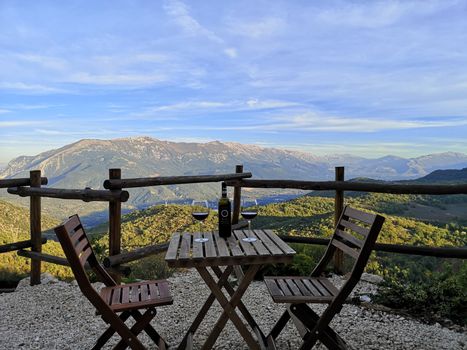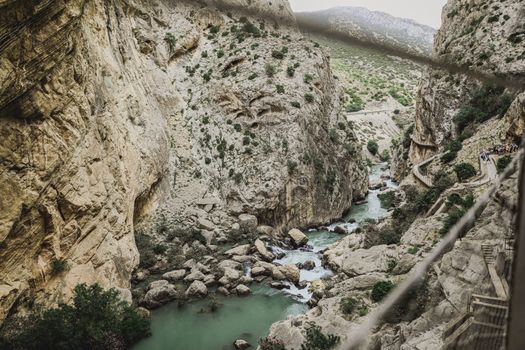
Canalejas del Arroyo, nestled in the heart of Spain’s province of Cuenca, is a village celebrated for its quiet charm and breathtaking landscapes. While its main hiking trails and culinary secrets have garnered recent attention, the region still harbors untold wonders for the intrepid explorer. Beyond the well-trodden paths, a network of secret hiking trails winds through forests, gorges, and ancient valleys, revealing hidden waterfalls, rare flora, and centuries-old ruins. For nature lovers and adventurers eager to discover the area’s lesser-known gems, this guide reveals where to find hidden natural treasures around Canalejas del Arroyo — and how to responsibly enjoy them.
The Untapped Wilderness: Why Seek Out Secret Trails?
Finding secret hiking trails isn’t just about escaping the crowds — it’s about connecting with nature in its purest form. Canalejas del Arroyo’s hidden paths offer a richer, more personal encounter with the region’s wild beauty.
According to a 2022 survey by Spain’s Ministry of Ecological Transition, over 60% of Cuenca province remains classified as “semi-natural” land, providing ample room for secluded exploration. Unlike the popular Sendero de la Hoz or the Mirador de la Peña trails, these secret routes often traverse ancient livestock paths, forgotten riverbanks, or abandoned terraced fields reclaimed by nature.
.png) The benefits are clear:
- Wildlife encounters: Spot elusive species like the European wildcat, booted eagle, or rare orchids.
- Serene environments: Enjoy the sound of the wind in the pines and the rush of hidden streams, undisturbed by crowds.
- Historical immersion: Many hidden trails pass by centuries-old shepherd huts or even Roman-era ruins, offering a tangible link to the past.
The benefits are clear:
- Wildlife encounters: Spot elusive species like the European wildcat, booted eagle, or rare orchids.
- Serene environments: Enjoy the sound of the wind in the pines and the rush of hidden streams, undisturbed by crowds.
- Historical immersion: Many hidden trails pass by centuries-old shepherd huts or even Roman-era ruins, offering a tangible link to the past.
Mapping the Unmarked: How to Find Hidden Trails Near Canalejas del Arroyo
Locating these secret trails requires curiosity, respect for the land, and sometimes a bit of local insight. Here’s how to get started:
1. Consult Local Residents: Villagers often know age-old paths not marked on modern maps. Ask at the local bar, rural guesthouses, or the town hall. 2. Study Historical Maps: The Spanish Geographic Institute’s historical topographic maps (IGN) reveal old cart tracks and footpaths. Compare them with current satellite images to spot overgrown routes. 3. Explore with a Guide: Several local guides offer bespoke excursions focusing on hidden nature — such as “Senderismo Secreto de la Alcarria” tours. 4. Use GPS Apps: Apps like Wikiloc or Komoot sometimes host user-uploaded tracks from adventurous hikers, though many remain unlisted for preservation.Safety tip: Always inform someone of your route and expected return, as some paths may be overgrown or lack cell coverage.
Top 4 Hidden Natural Treasures: Secret Spots Worth the Trek
Every secret trail leads to its own unique discovery. Here are four of the most enchanting, little-known destinations around Canalejas del Arroyo, each with its own character and allure.
1. The Cascada del Arroyo Perdido Tucked away in a forested ravine to the northeast, this seasonal waterfall emerges after spring rains. The approach follows a centuries-old shepherd’s track, winding past wild thyme and rosemary bushes before descending into a mossy gorge. In April and May, the cascade creates cool pools perfect for a quiet picnic. 2. La Senda de los Buitres Named for the griffon vultures that soar overhead, this ridge trail skirts a dramatic limestone cliff. The route is unmarked but follows a faint path through juniper and holm oak, offering panoramic views and the chance to spot rare birds. Bring binoculars — over 30 species of raptors have been recorded in the area, according to the Spanish Ornithological Society. 3. El Bosque Encantado This “enchanted forest” is a remnant of ancient woodland, with twisted oaks draped in lichen and a carpet of wildflowers in spring. The entrance is discreet, behind a crumbling stone wall on the south edge of the village. Here, you may discover the remains of a medieval charcoal kiln, hidden among the trees. 4. Las Ruinas Romanas del Alto de la Peña Little-known even among locals, these sparse Roman ruins sit atop a hill reached by a forgotten mule path. The site includes fragments of mosaic and pottery, offering a glimpse into the area’s rich history — all surrounded by sweeping vistas of the Alto Tajo landscape.Comparing Popular vs. Secret Trails: What’s the Difference?
To help you decide which kind of adventure suits you best, here’s a comparison of mainstream and hidden routes around Canalejas del Arroyo.
| Feature | Popular Trails | Secret Trails |
|---|---|---|
| Accessibility | Well-marked, signposted, easy to follow | Unmarked, may require map/GPS/local knowledge |
| Crowds | Moderate to high, especially on weekends | Very low, often solitary |
| Wildlife Sightings | Occasional, especially birds | Frequent, including rare species |
| Scenery | Spectacular, but familiar panoramas | Unique, hidden waterfalls, ancient ruins, untouched forests |
| Safety | High, with regular maintenance | Variable; requires good preparation |
| Duration | 1-3 hours average | 2-5 hours; sometimes longer |
Responsible Exploration: Preserving Canalejas del Arroyo’s Hidden Gems
With increased interest in secret trails comes a responsibility to protect them. The ecosystems around Canalejas del Arroyo are fragile — home to several protected plant and animal species.
Practical tips for responsible hiking: - Stay on existing paths, even if overgrown, to avoid trampling sensitive vegetation. - Carry out all waste and minimize noise to avoid disturbing wildlife. - Avoid lighting fires, especially in summer, when the risk of wildfires is high. - Respect private property and always close gates behind you.Did you know? Over 45% of the Cuenca province is designated as a Special Protection Area (SPA) for birds under the EU Natura 2000 network. Many secret trails pass through these zones, making it even more vital to tread lightly.
Local conservation groups, such as “Amigos de la Naturaleza de Cuenca,” often organize clean-ups and educational walks. Joining or supporting their work helps ensure that these treasures remain unspoiled for future generations.
Seasonal Secrets: When to Visit Hidden Trails for Maximum Beauty
The magic of Canalejas del Arroyo’s hidden natural treasures changes with the seasons. Here’s when to experience each at its best:
- Spring (March–May): Wildflowers blanket the meadows, waterfalls run strongest, and bird activity peaks. The Cascada del Arroyo Perdido is particularly impressive after early rains. - Summer (June–August): Early morning hikes offer shade in the enchanted forests. Be cautious of high temperatures, and carry plenty of water. - Autumn (September–November): The woodlands transform with gold and ochre leaves, and the quiet is profound. Mushroom foraging is a popular (and delicious) activity, but always check regulations. - Winter (December–February): While some paths may be muddy or icy, winter offers solitude and the chance to see animal tracks in the snow.Interesting fact: Average annual rainfall in the region is 600 mm, with most precipitation falling in spring and autumn — the best times for lush landscapes and flowing streams.
Unlocking the Spirit of Exploration Around Canalejas del Arroyo
Venturing beyond the signposted trails of Canalejas del Arroyo reveals a wild and authentic face of rural Spain. From forgotten waterfalls and ancient forests to silent Roman ruins perched on lonely hills, the region’s secret hiking routes are a gift to those who seek them with care and curiosity.
Whether you’re a seasoned hiker or a casual wanderer, the hidden treasures of this landscape invite you to slow down, listen, and discover a deeper connection to nature and history. As always, preserve what you find so that the next explorer can enjoy the same sense of wonder.