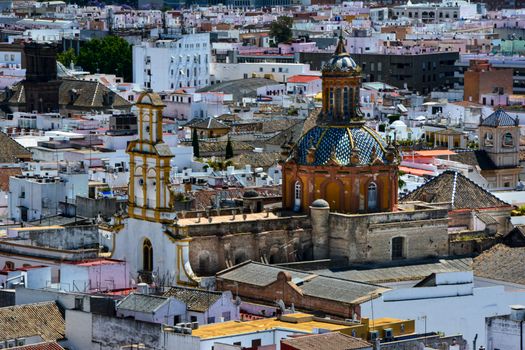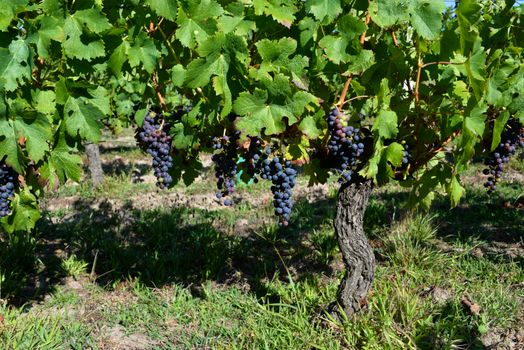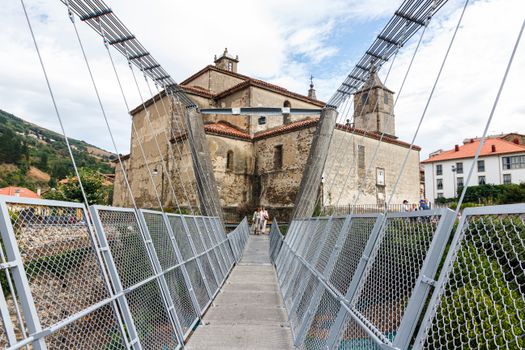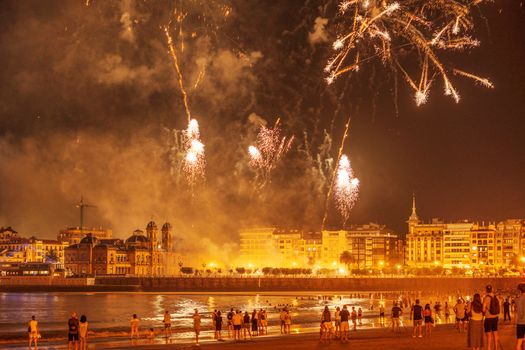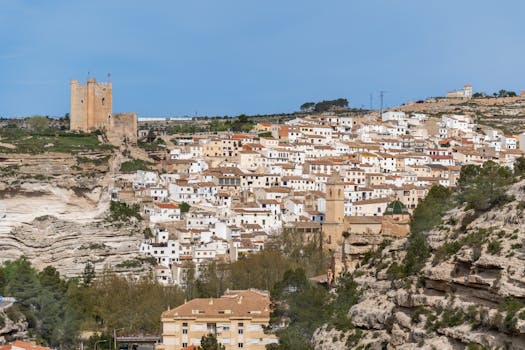
Canalejas del Arroyo, a picturesque municipality nestled in the province of Cuenca, Castilla-La Mancha, Spain, is often celebrated for its natural beauty and vibrant local culture. But beyond the scenic landscapes and lively festivals lies a rich tapestry of history, woven through the town’s enduring landmarks. From medieval fortifications to centuries-old churches, these sites are more than just physical structures—they are living witnesses to Canalejas del Arroyo’s evolution, resilience, and community spirit. This article delves into the history and significance of the town’s most prominent landmarks, illustrating why preserving these treasures matters not only for locals but for anyone seeking to understand the heart of rural Spain.
The Medieval Legacy: The Tower of Canalejas
One of the most iconic symbols of Canalejas del Arroyo is its medieval watchtower, known locally as La Torre Vieja. Erected in the 13th century during the Reconquista, this stone tower served as a strategic lookout point, guarding the surrounding valleys against potential invasions. Its robust walls, built with locally quarried limestone, still stand firm after more than 700 years—a testament to the town’s historical importance in regional defense.
During the Middle Ages, the tower played a crucial role in a network of fortifications across Cuenca province. Historians estimate that over 60 such towers dotted the landscape, with Canalejas del Arroyo’s being one of the best-preserved. Today, visitors can climb the restored steps to the top and enjoy panoramic views, imagining the sentinels who once kept vigil over the region. The tower is not merely an architectural relic; it’s a symbol of resilience and adaptability, reflecting the community’s ability to withstand centuries of change.
.png)
The Spiritual Heart: Church of San Bartolomé
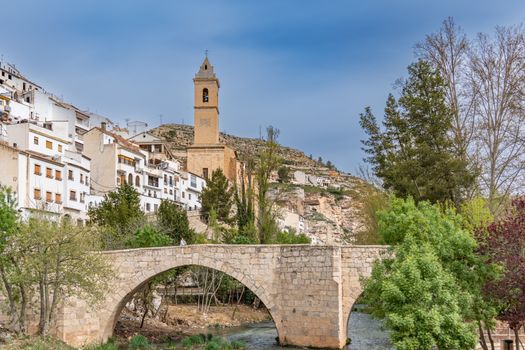
Dominating the town’s skyline is the Church of San Bartolomé, a Romanesque-Gothic structure dating back to the late 15th century. Originally built on the foundations of a much older chapel, the church has been expanded and renovated over the centuries, blending architectural styles that chart the town’s spiritual journey.
The church’s most striking feature is its bell tower, which houses three bells, the oldest of which was cast in 1712. Inside, visitors are greeted by a stunning altarpiece carved from walnut wood and gilded with gold leaf—a fine example of 17th-century Spanish craftsmanship. The church is home to several important religious artifacts, including a 16th-century processional cross and a set of rare baptismal records dating back to 1578.
Beyond its architectural and artistic heritage, the Church of San Bartolomé remains a vital hub for the community. It hosts annual religious festivals, such as the Feast of Saint Bartholomew, drawing both locals and visitors for processions, music, and traditional dances. The church’s ongoing role in community life highlights how spiritual landmarks in Canalejas del Arroyo are not simply relics of the past, but active centers of cultural continuity.
A Window into Rural Life: The Old Municipal Washhouse
While grand churches and towers often capture the spotlight, the old municipal washhouse—El Lavadero—offers a unique glimpse into the daily lives of past generations. Built in the early 19th century, the washhouse provided a communal space where local women gathered to wash clothes, exchange news, and strengthen social bonds.
Constructed around a natural spring, El Lavadero features a series of stone basins and a sloped roof, designed to shelter users from the sun and rain. At its peak, the washhouse served over 200 residents, playing an essential role in public health and hygiene before the advent of modern plumbing.
Today, El Lavadero stands as a reminder of the importance of community infrastructure in rural Spain. It has been lovingly restored and is occasionally used during local festivals to demonstrate traditional washing techniques. The site is a popular stop on heritage tours, offering visitors an authentic sense of Canalejas del Arroyo’s everyday history.
Architectural Evolution: Noble Houses and Rural Mansions
Canalejas del Arroyo boasts several noble houses and rural mansions—casas solariegas—that reflect the prosperity of certain families during the 17th and 18th centuries. These structures, often built with local stone and featuring ornate coats of arms above their doorways, served as both residences and symbols of social status.
A particularly notable example is the Casa de los Condes, or House of the Counts, which dates back to 1725. This mansion features a grand facade, arched windows, and an internal courtyard surrounded by a two-story colonnade. Historical records indicate that the house belonged to the influential García de la Torre family, who played a significant role in local politics and agriculture.
The preservation of these noble houses offers valuable insights into the region’s socioeconomic history. They reveal patterns of land ownership, agricultural innovation, and the gradual shift from feudalism to modernity. Many of these buildings have been repurposed in recent years, now serving as guesthouses, museums, or cultural centers, thus maintaining their relevance in contemporary community life.
Comparing Canalejas del Arroyo’s Landmarks: Age, Function, and Current Use
To better understand the diversity and ongoing significance of Canalejas del Arroyo’s landmarks, the following table provides a comparative overview of their origins, historical functions, and present-day roles.
| Landmark | Year Built | Original Function | Current Use | Notable Features |
|---|---|---|---|---|
| La Torre Vieja | 13th century | Watchtower/Defense | Tourist site/Viewpoint | Medieval stonework, panoramic views |
| Church of San Bartolomé | 15th century | Religious worship | Active parish church | Romanesque-Gothic blend, 1712 bell |
| El Lavadero | 19th century | Public washhouse | Heritage site/Educational use | Spring-fed basins, restored roof |
| Casa de los Condes | 1725 | Noble residence | Museum/Guesthouse | Baroque facade, family crest |
This data underscores the variety of Canalejas del Arroyo’s historical sites, each with its own unique legacy and evolving community role.
Cultural Significance: Landmarks as Pillars of Local Identity
The enduring presence of these landmarks is fundamental to Canalejas del Arroyo’s identity. They are not just remnants of the past, but living elements that shape the town’s cultural narrative. For example, the annual reenactment of medieval life at La Torre Vieja attracts hundreds of visitors and schoolchildren, fostering a sense of pride and shared history.
Moreover, these sites serve as focal points for intergenerational storytelling. Elders recount tales of washing clothes at El Lavadero or attending festive masses at San Bartolomé, passing on local traditions and values. This process helps maintain a strong community connection, even as younger generations migrate to urban centers for work or study.
Statistically, rural Spain has seen a 30% decline in population over the past 50 years, according to the Spanish National Institute of Statistics (INE). Yet, towns like Canalejas del Arroyo demonstrate that heritage preservation can counteract this trend by attracting cultural tourism and fostering a renewed sense of belonging among residents.
The Role of Heritage Tourism and Preservation Efforts
Recognizing the importance of its historical assets, Canalejas del Arroyo has made significant efforts to protect and promote its local landmarks. In 2012, the town council secured funding from Castilla-La Mancha’s regional government to restore the Church of San Bartolomé’s roof and conserve its altarpiece. Similarly, community-led initiatives have resulted in the rehabilitation of El Lavadero and improvements to visitor access at La Torre Vieja.
These projects have tangible economic benefits. According to a 2019 report from the Spanish Ministry of Industry, Trade, and Tourism, towns with active heritage preservation programs see an average 15% increase in annual visitor numbers. In Canalejas del Arroyo, tourism linked to historical sites now accounts for over 20% of local business revenue, supporting hotels, restaurants, and artisan shops.
Heritage tourism also plays a role in education, with local schools including field trips to landmarks as part of their curriculum. This hands-on approach fosters respect for history and encourages young people to see themselves as part of a continuing narrative.
Why the Landmarks of Canalejas del Arroyo Endure
The story of Canalejas del Arroyo’s landmarks is one of resilience, adaptation, and community spirit. Whether defending against medieval threats, nurturing generations in faith, supporting daily life, or showcasing noble aspirations, these sites offer invaluable insights into the town’s enduring character.
Their preservation is not just about bricks and mortar—it’s about safeguarding the memory and identity of a community. Through ongoing restoration, active use, and creative adaptation, Canalejas del Arroyo ensures its landmarks remain relevant for future generations. In doing so, the town stands as a model for rural heritage preservation across Spain and beyond.