Canalejas del Arroyo, a quietly captivating village in the province of Cuenca, Castilla-La Mancha, is a living tapestry of Spanish history and architectural evolution. While often celebrated for its natural beauty and rural traditions, the village also harbors a remarkable collection of architectural landmarks. These buildings are more than mere structures—they tell the story of centuries, diverse cultural influences, and the enduring spirit of a community that has managed to preserve its unique identity.
In this article, we journey through the most interesting architectural landmarks in Canalejas del Arroyo, exploring their history, architectural styles, and significance. Whether you’re a traveler, an architecture enthusiast, or someone seeking to understand Spain’s lesser-known gems, this guide reveals the fascinating built heritage that makes Canalejas del Arroyo so special.
Tracing the Origins: Historical Context of Canalejas del Arroyo’s Architecture
To truly appreciate the architectural landmarks of Canalejas del Arroyo, it’s essential to understand the historical context that shaped them. The village’s history stretches back to the Middle Ages, with documented references as early as the 12th century. Located along ancient trade and migration routes, Canalejas del Arroyo became a crossroads for various civilizations: Visigoths, Moors, and later Christian Reconquista settlers all left their mark.
.png)
The region’s strategic location meant that its buildings were often constructed with defense and community in mind. Early architecture focused on solid stonework, minimal ornamentation, and practicality—features still evident in many of the oldest surviving structures. Over the centuries, as peace took root and prosperity grew, new styles emerged, incorporating elements of Gothic, Renaissance, Baroque, and popular rural forms.
Today, the village’s architecture reflects this layered history—a blend of robust medieval forms, religious symbolism, and vernacular creativity. This fusion makes Canalejas del Arroyo a living museum of Spanish rural architecture.
The Church of San Pedro Apóstol: Gothic Roots and Baroque Flourishes
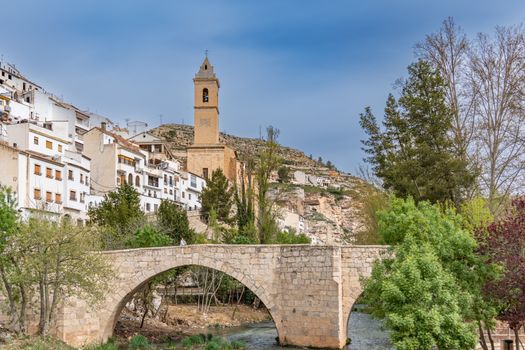
Arguably the most iconic landmark in Canalejas del Arroyo is the Church of San Pedro Apóstol. Originally constructed in the late 15th century, this church exemplifies the transition from Gothic to Baroque styles, mirroring the broader trends in Spanish ecclesiastical architecture.
The building’s exterior is characterized by its sturdy limestone walls, buttresses, and a classic bell tower that dominates the village skyline. The church’s interior, however, surprises visitors with its ornate Baroque altarpiece, gilded woodwork, and vaulted ceilings painted with vibrant biblical scenes. Notably, the main nave still retains pointed Gothic arches—an architectural bridge between two worlds.
Historical records indicate that the church underwent significant renovations in the 18th century, funded by local noble families who sought to leave their mark on Canalejas del Arroyo’s spiritual heart. Today, the Church of San Pedro Apóstol is not only a place of worship but also a repository of local art, history, and community pride.
La Fuente Vieja: The Village’s Lifeline and a Testament to Vernacular Ingenuity
While grand churches often steal the spotlight, Canalejas del Arroyo’s architectural story is also told through its humble yet vital structures. Among these, La Fuente Vieja (the Old Fountain) holds a special place in the village’s collective memory.
Constructed in the 16th century, La Fuente Vieja served as the main water source for the community for over four centuries. Its design—a series of stone basins connected by channels—demonstrates the ingenuity of rural builders who understood both the practical and social importance of water. The fountain became a gathering place, a site for festivals, and a symbol of communal resilience.
What sets La Fuente Vieja apart architecturally is its use of locally quarried stone, carefully fitted without mortar—a technique known as dry stone construction. This method, recognized by UNESCO as an Intangible Cultural Heritage, is both environmentally sustainable and visually harmonious with the surrounding landscape.
Traditional Houses: A Blend of Functionality and Aesthetic Charm
Wandering through the narrow streets of Canalejas del Arroyo, visitors encounter another architectural treasure: the village’s traditional houses. These dwellings, dating from the 17th to the 19th centuries, provide a window into rural life and the evolution of Spanish domestic architecture.
Most traditional houses in the village follow a rectangular floor plan, with thick stone or adobe walls designed to regulate temperature in both summer and winter. Wooden beams, often sourced from local forests, support sloped tile roofs—a common feature in the region. Colorful facades, painted in earthy reds and ochres, reflect the local soil’s hues and add vibrancy to the streetscape.
A defining characteristic is the presence of enclosed courtyards (patios), often adorned with flowering plants and ceramic tiles. These inner sanctuaries offered privacy, space for livestock or gardening, and a cool retreat from the summer sun. Many homes still display original wrought iron balconies and decorative door knockers, crafted by local artisans.
Unlike the grand villas of Spain’s larger cities, Canalejas del Arroyo’s houses are modest in scale but rich in detail—a testament to generations of craftsmanship and adaptation to the environment.
The Hermitage of San Sebastián: Rural Spirituality in Stone
Set on the outskirts of the village, the Hermitage of San Sebastián stands as a poignant example of rural religious architecture. Built in the early 17th century, this small chapel was dedicated to San Sebastián, the protector against plague and disease—a vital concern in pre-modern times.
The Hermitage’s architecture is unpretentious but evocative. Constructed from rough-hewn limestone, its single nave is capped by a wooden roof supported by exposed beams. The façade features a simple arched doorway and a modest bell gable, in keeping with the region’s rural hermitages. Inside, visitors find a small altar and a hand-painted image of the saint, preserved by generations of local caretakers.
Every January, the hermitage becomes the focal point of the Fiesta de San Sebastián, when villagers gather for processions, music, and traditional food. The building’s enduring role as a spiritual and social center underscores the deep connection between architecture and community in Canalejas del Arroyo.
Comparing Architectural Landmarks in Canalejas del Arroyo
To better understand the diversity and significance of Canalejas del Arroyo’s architectural heritage, the following table offers a concise comparison of the village’s most notable landmarks:
| Landmark | Construction Period | Architectural Style | Main Features | Cultural Significance |
|---|---|---|---|---|
| Church of San Pedro Apóstol | Late 15th – 18th century | Gothic & Baroque | Stone walls, bell tower, Baroque altar, Gothic arches | Religious center, art repository |
| La Fuente Vieja | 16th century | Vernacular/Rural | Dry stone basins, water channels | Community gathering place, historical water source |
| Traditional Houses | 17th – 19th century | Vernacular | Stone/adobe walls, tile roofs, patios, ironwork | Domestic life, architectural continuity |
| Hermitage of San Sebastián | Early 17th century | Rural Religious | Single nave, stone construction, bell gable | Site of annual festival, spiritual refuge |
Preservation and Contemporary Relevance of Canalejas del Arroyo’s Architecture
The architectural gems of Canalejas del Arroyo are not relics frozen in time; they are living spaces, still integral to daily life and community identity. However, preserving these landmarks poses ongoing challenges. Rural depopulation, changing lifestyles, and economic constraints threaten the maintenance of historic buildings.
Local authorities and heritage organizations have responded with targeted restoration efforts. Recent years have seen the Church of San Pedro Apóstol’s roof repaired, the Hermitage of San Sebastián stabilized, and initiatives to document traditional houses before they are lost. According to a 2022 report by the Cuenca provincial government, over €150,000 has been invested in heritage conservation in Canalejas del Arroyo since 2015.
These efforts are not merely about aesthetics. Heritage tourism now accounts for up to 18% of local economic activity, according to data from the Regional Tourism Board. Guided tours and educational programs highlight the village’s unique architecture and attract visitors seeking authentic cultural experiences.
Moreover, Canalejas del Arroyo’s buildings inspire contemporary architecture. New constructions often incorporate traditional materials and design elements, ensuring that the village’s aesthetic harmony is preserved even as it adapts to modern needs.
Exploring the Spirit of Canalejas del Arroyo Through Its Landmarks
The architectural landmarks of Canalejas del Arroyo are more than historical curiosities—they are touchstones of identity, resilience, and creativity. From the stately Church of San Pedro Apóstol to the humble but ingenious La Fuente Vieja, each building tells a story of adaptation, faith, and community spirit.
These landmarks invite visitors and residents alike to slow down, look closer, and appreciate the layers of history embedded in stone, wood, and tile. For those with an eye for architecture or a love of Spain’s rural heartlands, Canalejas del Arroyo offers an unforgettable journey through time—one that continues to evolve with each generation.