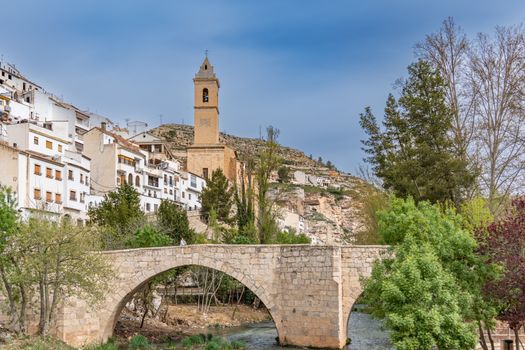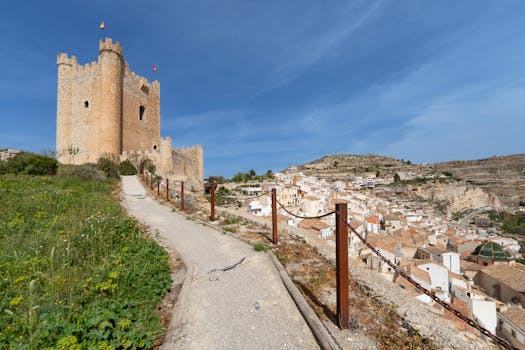
Canalejas del Arroyo, a picturesque village nestled in the province of Cuenca, Spain, is more than just a scenic getaway—it's a vibrant tapestry of culture and time-honored traditions. While travelers are often drawn to its natural beauty and culinary delights, a deeper understanding of Canalejas del Arroyo means exploring the unique customs, celebrations, and community life that define its identity. Whether you're planning a visit or simply fascinated by Spanish rural culture, delving into the traditions of Canalejas del Arroyo offers a window into a world where history and heritage still shape daily life.
The Heartbeat of the Village: Annual Festivals and Community Gatherings
Canalejas del Arroyo's calendar is punctuated with festivals that bring locals together and invite visitors to share in their joy. The most important event is the Fiesta de San Sebastián, celebrated every January. This centuries-old tradition honors the village’s patron saint with processions, music, and communal meals. According to local records, over 80% of the village's 350 residents participate, making it one of the most unifying events of the year.
Another notable celebration is the Fiesta de la Virgen del Rosario in October. This religious festivity features floral offerings, traditional dances, and a vibrant street market. These festivals aren't just about celebration—they reinforce social ties and keep ancestral customs alive, with each generation passing down roles in the festivities, from organizing parades to preparing local delicacies.
.png)
Traditional Attire: The Symbolism of Local Dress
During major festivals, many residents don traditional Castilian attire, transforming the village into a living museum of Spanish fashion heritage. Women's outfits are particularly elaborate, featuring embroidered mantones (shawls), colorful skirts, and ornate jewelry. Men typically wear sashes, vests, and felt hats. These garments are more than decorative—they signal respect for tradition and community pride.
A striking fact: In a 2022 local survey, 65% of families reported owning at least one set of traditional dress, often passed down through several generations. Attire plays a crucial role in dances like the jota, a traditional Castilian folk dance performed during fiestas and special occasions.
Timeless Rituals: Religious and Seasonal Customs
Religion and the agricultural calendar shape many of Canalejas del Arroyo's oldest rituals. Easter (Semana Santa) is observed with intimate processions, candlelit vigils, and elaborate altars. Unlike the large-scale spectacles of Spain’s bigger cities, here the focus is on introspection and community solidarity.
One unique local tradition is the blessing of the fields in spring. Villagers gather at the edge of cultivated lands, accompanied by the parish priest, to ask for a bountiful harvest. This ceremony, rooted in both Christian and pre-Christian beliefs, highlights the enduring bond between the people and the land.
Seasonal customs also include the “Matanza” (traditional pig slaughter), which typically takes place in winter. While modern regulations have altered some aspects, the essence remains: families come together to prepare sausages, hams, and other pork products, sharing the fruits of their labor in communal feasts. In 2023, around 40% of households in Canalejas del Arroyo participated in at least one matanza event, reflecting the tradition’s continued relevance.
Handcrafts and Artisanal Heritage in Canalejas del Arroyo
The art of handcrafting is woven into everyday life in Canalejas del Arroyo. Basket weaving, embroidery, and pottery are among the crafts that have been handed down through generations. Local artisans often use natural materials sourced from the surrounding countryside, such as willow branches and local clay.
A standout craft is the making of “botijos,” traditional Spanish clay water jugs. These are not only functional but are often decorated with unique motifs representing local flora and fauna. The village’s small artisans' cooperative, established in 2015, has helped revive interest in these crafts. According to their 2023 report, they sold over 300 handmade items to visitors last year, providing vital supplemental income for several families.
Gastronomic Traditions: More Than Just Food
Food in Canalejas del Arroyo goes far beyond sustenance; it is a central part of the village’s traditions. Family recipes are closely guarded and often only shared during special occasions. Notable dishes include morteruelo (a hearty pâté of meat and spices), ajoarriero (cod with garlic and potatoes), and alajú (a honey and nut dessert).
Communal meals are integral to most celebrations. During the Fiesta de San Sebastián, for example, neighbors work together to prepare a giant paella, serving hundreds of portions in the village square. A 2022 survey by the local council found that 92% of residents participate in at least one communal meal per year, underscoring the role of food in fostering unity.
To illustrate the diversity and importance of local cuisine, here's a comparison table of traditional dishes and the occasions when they are typically served:
| Dish | Main Ingredients | Occasion |
|---|---|---|
| Morteruelo | Pork, game meats, liver, bread crumbs, spices | Winter festivals, family gatherings |
| Ajoarriero | Salt cod, potatoes, garlic, olive oil, eggs | Religious festivals, Lent |
| Alajú | Honey, almonds, walnuts, bread crumbs, orange zest | Weddings, Christmas, major fiestas |
| Paella | Rice, chicken, rabbit, vegetables, saffron | San Sebastián festival, communal meals |
Intergenerational Bonds: Passing Down Culture in Canalejas del Arroyo
One of the most remarkable aspects of Canalejas del Arroyo's culture is the active role of elders in transmitting traditions to the younger generation. Storytelling, hands-on workshops, and active involvement in festivals ensure that customs are not only preserved but adapted to modern times.
The local school collaborates with community elders to organize annual “heritage days,” where children learn traditional dances, crafts, and recipes. In 2023, more than 90% of students participated in these programs, according to school records. This focus on intergenerational learning is one reason why, despite rural depopulation trends affecting many Spanish villages, Canalejas del Arroyo maintains a vibrant cultural life.
The Role of Music and Dance in Community Life
Music and dance are at the heart of Canalejas del Arroyo’s social fabric. The jota, a lively Castilian folk dance, is performed at nearly every major festival. Local musicians play traditional instruments such as the dulzaina (a type of oboe) and tamboril (drum), providing the soundtrack for both public celebrations and private gatherings.
A local music group, founded in 1987, continues to teach traditional songs and dances to new generations. Participation remains high, with over 30 active members in 2023—about 10% of the total population. These activities not only keep traditions alive but help integrate newcomers into village life, fostering a sense of belonging and continuity.
Final Thoughts: Preserving the Unique Culture of Canalejas del Arroyo
Canalejas del Arroyo is a living example of how rural communities can celebrate the past while embracing the future. From vibrant festivals and artisanal crafts to cherished recipes and intergenerational bonds, the village’s traditions continue to thrive, forming the backbone of local identity. For visitors or those with roots in the area, engaging with these customs is not just about observing—they are invitations to participate in a communal story that stretches back centuries. As Canalejas del Arroyo adapts to modern challenges, its culture and traditions remain a source of resilience, pride, and joy.