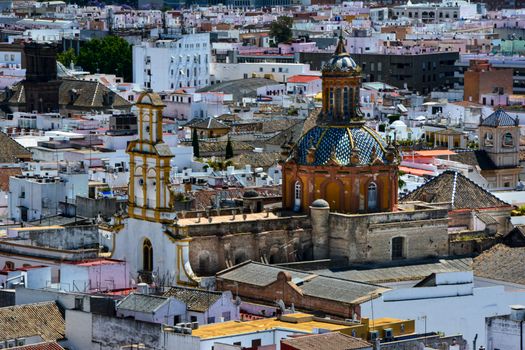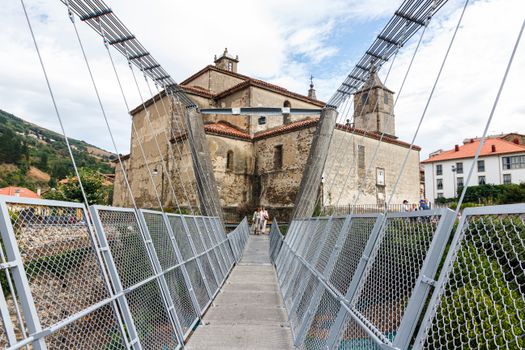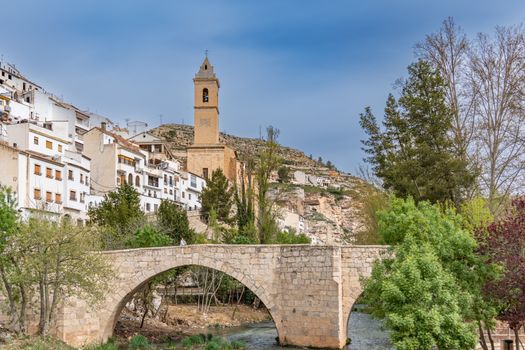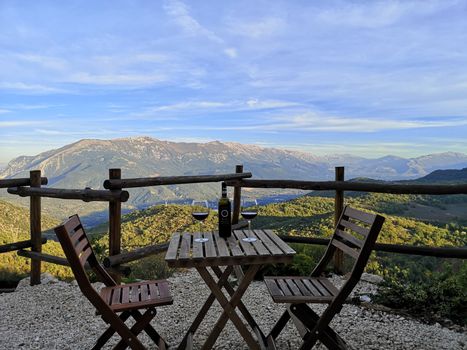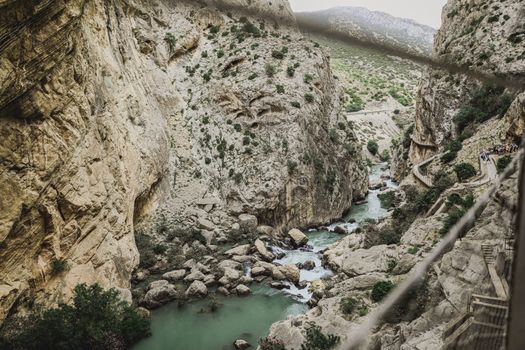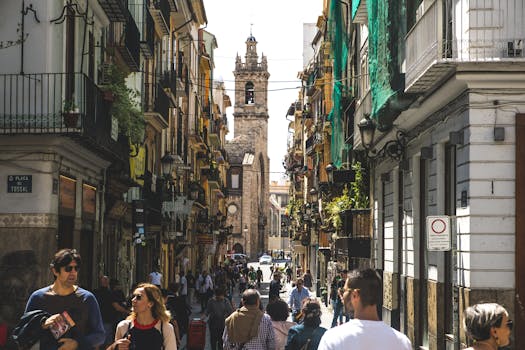
Canalejas del Arroyo is more than just a scenic village in rural Spain. Its cobblestone streets, ancient churches, and panoramic landscapes are living testaments to a community that has weathered centuries of change. But how did this town, nestled in the heart of Cuenca province, become what it is today? To understand the present-day charm of Canalejas del Arroyo, it is essential to explore its fascinating history—a tapestry woven from conquest, agriculture, migration, and resilient local spirit. Join us on an in-depth journey through time as we uncover how Canalejas del Arroyo evolved over the years.
Early Roots: Prehistoric Settlements and Roman Influence
Archaeological evidence indicates that the area around Canalejas del Arroyo has been inhabited since prehistoric times. Stone tools and pottery shards uncovered in nearby caves suggest that early humans settled here as early as the Bronze Age, drawn by the fertile valleys and plentiful water sources. By the first century BC, the region fell under the expansive reach of the Roman Empire.
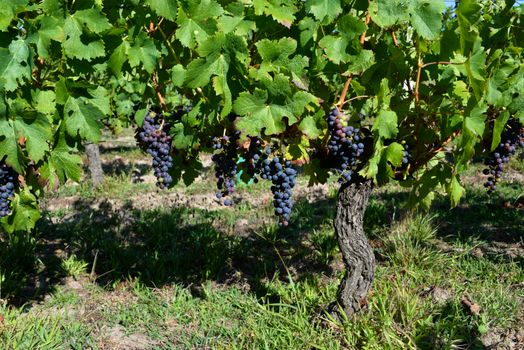
Romans built rudimentary roads and established agricultural outposts, introducing advanced irrigation techniques that allowed local crops—mainly olives, grapes, and cereals—to flourish. Remnants of Roman villas and small bridges dot the landscape, quiet witnesses to an era when Canalejas del Arroyo was a modest, yet strategically important, rural waypoint.
.png)
The Medieval Era: Moors, Christians, and the Making of the Village
The collapse of the Roman Empire ushered in centuries of upheaval. During the 8th century, Arab-Berber Moors swept across the Iberian Peninsula, bringing new agricultural practices and architectural styles. Canalejas del Arroyo and its surrounding lands became part of Al-Andalus, and the influence of Moorish irrigation systems can still be seen in the local acequias (water channels).
The 12th century marked the beginning of the Christian Reconquista in the region. By the late 1100s, the Kingdom of Castile had reclaimed the area, and Canalejas del Arroyo began to take shape as a formal municipality. The town’s oldest standing church, dedicated to San Bartolomé, dates to the early 13th century and showcases a blend of Romanesque and early Gothic styles—a direct result of the cultural fusion between Christian settlers and the legacy of their Moorish predecessors.
Population records from the 15th century show that Canalejas del Arroyo was home to about 350 people, primarily engaged in subsistence farming and sheep herding. The town’s layout, with narrow winding streets and tightly clustered houses, reflects its medieval origins and need for defense against occasional raids and banditry.
Modernization and Challenges: 18th to 20th Centuries
The 18th century brought relative stability and gradual modernization. The Bourbon reforms in Spain led to improved roads, new agricultural techniques, and the introduction of crops like potatoes and maize. A census from 1787 reveals that Canalejas del Arroyo had approximately 600 residents, nearly double its medieval population.
However, the 19th and 20th centuries were marked by both progress and hardship. The Peninsular War (1808-1814) against Napoleonic France saw the village suffer significant losses and material damage. Recovery was slow, but the second half of the 19th century witnessed the construction of a new town hall and school, signaling a commitment to civic life and education.
The early 20th century brought further changes. An influx of new farming machinery increased crop yields, but rural depopulation became a pressing issue. Like many villages in Spain, Canalejas del Arroyo saw a steady migration of young people to cities like Madrid and Valencia, seeking industrial jobs and modern amenities. By 1950, the population had peaked at around 1,000 residents before beginning a long decline.
Population Trends: A Comparative Overview
Understanding the demographic evolution of Canalejas del Arroyo provides valuable insight into its historical trajectory. The table below summarizes key population milestones through the centuries:
| Year | Estimated Population | Significant Events |
|---|---|---|
| 15th Century | ~350 | Post-Reconquista settlement |
| 1787 | ~600 | Bourbon reforms; agricultural improvements |
| 1950 | ~1,000 | Peak population; post-war recovery |
| 2022 | 265 | Current; rural depopulation |
This overview highlights a pattern seen across rural Spain: periods of growth during times of stability, followed by population loss in the face of urbanization. Today, Canalejas del Arroyo’s population remains a fraction of its mid-20th-century peak.
Architectural Heritage: From Fortresses to Fiestas
The historical evolution of Canalejas del Arroyo is written in its buildings. The aforementioned Church of San Bartolomé stands as the village’s most iconic structure, its stone façade and bell tower visible for miles. The church underwent several restorations in the 17th and 19th centuries, preserving both its medieval skeleton and later baroque embellishments.
The village is also home to several manor houses (casas solariegas) dating from the 17th and 18th centuries, built by local landowners during times of agricultural prosperity. These homes, with their thick walls and ornate ironwork balconies, reflect a blend of Castilian and Moorish influences.
Another architectural highlight is the remains of the old communal granary, a symbol of the town’s collective spirit and agricultural dependence. In recent decades, efforts have been made to preserve and restore these historical sites, with support from both local authorities and regional heritage funds.
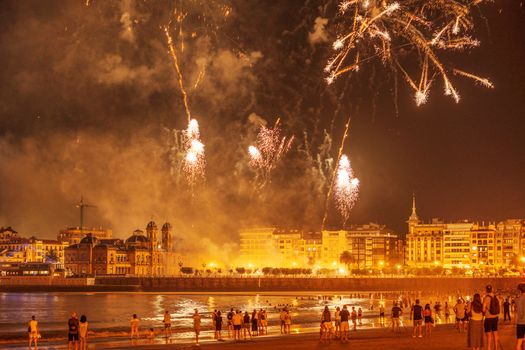
Today, the Plaza Mayor serves as the focal point for community gatherings and traditional festivals. The annual San Bartolomé festival, dating back over 400 years, remains one of the most important events in the town’s calendar, drawing back many former residents and their families.
Canalejas del Arroyo in the 21st Century: Renewal and Preservation
Despite the challenges of depopulation and an aging demographic—over 35% of residents are now aged 65 or older—Canalejas del Arroyo has made significant strides in cultural and economic renewal. The early 2000s saw the launch of rural tourism initiatives, leveraging the town’s historic charm and natural beauty to attract visitors. In 2023, the town welcomed over 1,500 tourists, a remarkable feat for a village of its size.
Local authorities have invested in the restoration of historic buildings and the development of walking trails that connect Canalejas del Arroyo with neighboring villages, encouraging eco-tourism and heritage appreciation. Artisans have revived traditional crafts such as pottery and embroidery, offering workshops and selling their wares in local markets.
Educational outreach programs, including annual history fairs and guided tours, aim to instill pride in younger generations and foster a sense of connection to the village’s unique past. These efforts, combined with improved digital infrastructure, have begun to slow the rate of population decline in recent years, offering hope for a sustainable future.
Key Milestones in the Evolution of Canalejas del Arroyo
Over the centuries, several pivotal events have shaped the trajectory of Canalejas del Arroyo. Here are some key milestones:
- $1 Evidence of Bronze Age settlements; early agricultural activity. - $1 Introduction of advanced irrigation and road systems. - $1 Moorish rule brings new agricultural and architectural traditions. - $1 Christian Reconquista; formal founding of the village. - $1 Construction of the Church of San Bartolomé. - $1 Population growth and agricultural modernization. - $1 Turmoil during the Peninsular War; rebuilding and civic improvements. - $1 Rural depopulation; modernization of agriculture; population peak in 1950. - $1 Focus on heritage tourism, restoration, and cultural renewal.Each of these milestones reflects a broader story of adaptation, resilience, and communal identity that defines Canalejas del Arroyo today.
The Enduring Legacy of Canalejas del Arroyo’s History
The history of Canalejas del Arroyo is not merely a record of dates and events—it is the story of a community that has adapted to centuries of change while preserving its unique character. From its prehistoric origins to its current efforts in heritage tourism, the town offers a window into the broader currents of Spanish history: conquest and coexistence, growth and decline, tradition and renewal.
Today, visitors and residents alike find themselves part of a living narrative, where every stone and festival echoes the enduring legacy of those who came before. As Canalejas del Arroyo continues to embrace both its past and its future, it stands as a testament to the enduring spirit of rural Spain.