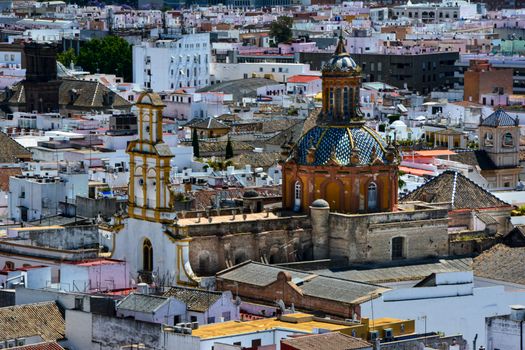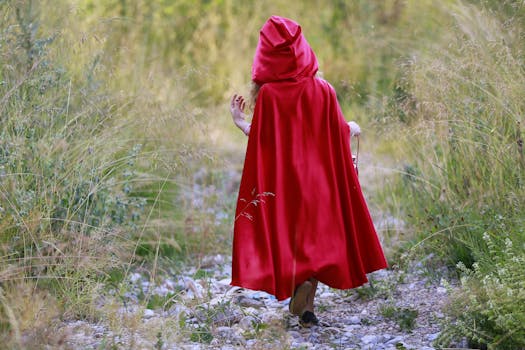
Nestled in the heart of the Spanish province of Cuenca, Canalejas del Arroyo is a village that, at first glance, appears tranquil and grounded in everyday rural life. Yet beneath this serene surface lies a rich tapestry of myth, legend, and folklore that has been passed down through generations. These stories are more than just tales; they are windows into the collective psyche of the region, shaping identity, values, and even local customs. In this article, we journey behind the mystery of local legends in Canalejas del Arroyo, exploring their origins, meanings, and continuing influence on the community.
The Roots of Mythology in Canalejas del Arroyo
The mythology of Canalejas del Arroyo is deeply entwined with its landscape and history. The village itself, with a population of just over 300 according to the latest 2022 census, has witnessed centuries of human settlement. Archaeological evidence suggests that the area has been inhabited since at least Roman times, and possibly earlier, which has contributed to a unique blend of myths influenced by Iberian, Roman, Visigothic, and Moorish cultures.
One of the oldest stories recounts the existence of hidden treasures buried during the Moorish retreat in the 11th century. Locals speak of spectral guardians and enchanted caves in the surrounding hills, where gold and jewels are said to be protected by supernatural forces. These tales echo the real historical transitions that have swept through the village, reflecting both the trauma and hope of its past inhabitants.
.png)
Local mythology is also closely linked to the natural features of the area. The Arroyo stream, which gives the village its name, is believed to be inhabited by water spirits or “las damas del agua.” These entities are said to bless the village with fertility and abundance, but also to lure the unwary into the depths if respect isn’t shown.
Famous Legends and Their Symbolism
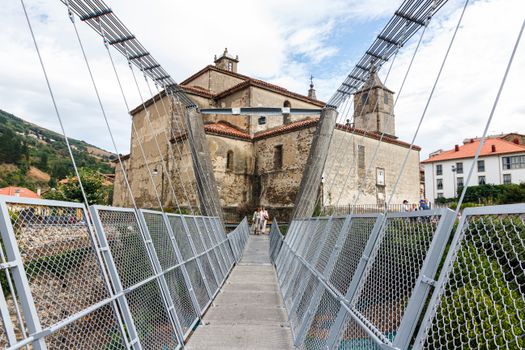
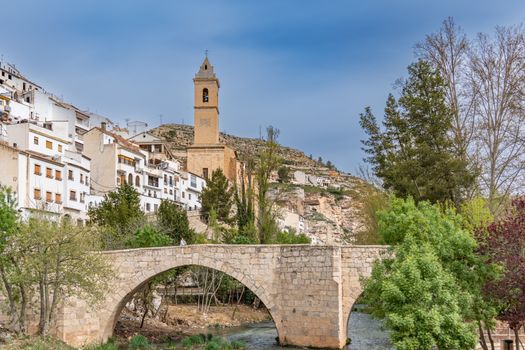
Within Canalejas del Arroyo, several legends stand out for their enduring popularity and symbolic resonance. Among them, the “Sombra del Caballero” (Shadow of the Knight) is particularly well known. According to local lore, the ghost of a knight who perished defending the village during a medieval skirmish still roams the old stone bridge at midnight. His appearance is interpreted as a warning of impending misfortune, prompting villagers to offer prayers and light candles to appease his restless spirit.
Another enduring myth is that of “La Dama de la Peñuela,” a mysterious woman in white who is said to appear near the Peñuela rock formation on moonlit nights. Legend has it she was a young woman tragically separated from her lover during the Reconquista, and her spirit continues to await his return. This tale, in particular, is a metaphor for loss and longing, reflecting the hardships faced by generations of villagers in times of war and upheaval.
These stories serve not only as entertainment but also as moral and cautionary tales. The legend of the “Gato Negro de la Parroquia,” for instance, warns children to be wary of strangers and to respect the sacred spaces of the village church. The black cat, believed to be a shape-shifting spirit, is said to guard the church from those with ill intentions.
Rituals, Festivals, and Living Folklore
Mythology in Canalejas del Arroyo is not confined to the realm of oral storytelling; it actively shapes communal rituals and annual festivals. Every spring, the village hosts the “Noche de las Animas,” a night dedicated to honoring ancestors and appeasing wandering spirits. Residents light lanterns and leave offerings at crossroads and ancient trees, a tradition that blends pre-Christian customs with Catholic All Souls’ Day observances.
Another unique festival is the “Fiesta de la Dama del Agua,” held near the Arroyo, where villagers dress in blue and perform dances meant to invoke rain and good harvests. These rituals are believed to ensure the continued favor of the water spirits and demonstrate the ongoing relevance of ancient legends in contemporary village life.
Such festivals are not only opportunities for communal bonding but also serve as living expressions of local identity. According to a 2021 survey conducted by the University of Castilla-La Mancha, over 68% of villagers identified local legends as a core component of their sense of belonging, illustrating the powerful role of mythology in shaping both individual and collective identity.
Comparing the Mythology of Canalejas del Arroyo with Neighboring Villages
While many Spanish villages possess their own folklore, the legends of Canalejas del Arroyo are notable for their unique blend of influences and distinctive characters. To better understand what sets its mythology apart, it’s helpful to compare it with those of nearby communities. The following table provides a snapshot of key differences and similarities:
| Village | Main Mythological Figures | Key Themes | Unique Rituals/Festivals |
|---|---|---|---|
| Canalejas del Arroyo | Sombra del Caballero, Dama de la Peñuela, Gato Negro | Loss, protection, nature spirits | Noche de las Animas, Fiesta de la Dama del Agua |
| Valverde de Júcar | El Pastor Errante, El Lobo Blanco | Redemption, transformation, animal spirits | La Noche del Lobo (Wolf Night) |
| Las Valeras | La Mora Encantada, El Duende del Molino | Love, fate, mischievous spirits | Fiesta de la Mora, Molino Day |
This comparison highlights how each village’s mythology reflects its unique history and landscape, with Canalejas del Arroyo emphasizing guardianship, ancestral memory, and the mystical relationship with local waterways.
Mythology’s Influence on Local Art and Literature
The stories of Canalejas del Arroyo have not only survived through oral tradition but have also inspired a vibrant local culture of art and literature. Local artisans often depict legendary figures like the Dama de la Peñuela in ceramics, wood carvings, and embroidery. The village’s small museum features a collection of paintings and sculptures inspired by these myths, some dating back to the early 20th century.
In literature, regional poets and writers such as María Eugenia López have woven local legends into their works. Her 2018 poetry collection, “Ecos del Arroyo,” explores themes of memory, longing, and the supernatural, drawing directly from village folklore. The continued popularity of such works demonstrates how myth remains a vital source of creative inspiration, connecting past and present generations.
Moreover, the local school curriculum incorporates folk tales and legends as a way to teach children about their heritage, ensuring that the stories continue to be passed down. According to teachers, this not only instills pride in local culture but also helps develop critical thinking by encouraging children to interpret and discuss the symbolic meanings of these tales.
Preserving and Reviving the Mythology of Canalejas del Arroyo
As with many rural communities, Canalejas del Arroyo faces the challenges of depopulation and modernization. The village’s population has declined by nearly 20% over the past three decades, according to Instituto Nacional de Estadística data. In response, efforts are underway to preserve and revive local folklore as a means of cultural and economic revitalization.
Community groups organize storytelling evenings and guided “legend walks,” where visitors and locals alike can explore sites associated with famous myths. These events have become increasingly popular with tourists seeking authentic cultural experiences. In 2023, the village welcomed over 1,200 visitors during its annual “Semana de las Leyendas,” boosting local businesses and raising awareness of the importance of cultural heritage preservation.
Local authorities have also partnered with regional universities to document and archive oral histories, ensuring that even lesser-known tales are recorded for future generations. Digital initiatives include a growing online archive of stories, photos, and interviews, making the village’s mythology accessible to a wider audience.
Final Reflections on the Mythology of Canalejas del Arroyo
The mythology of Canalejas del Arroyo is much more than a collection of old stories; it is a living, evolving force that continues to shape the community’s identity, values, and traditions. From the spectral knight who guards the village bridge to the water spirits who watch over the Arroyo, these legends offer insight into the hopes, fears, and dreams of generations past and present.
As the village looks toward the future, the preservation and celebration of its unique mythology serve as both a link to its rich history and a source of inspiration for new generations. In an era where many rural communities struggle to maintain their cultural distinctiveness, Canalejas del Arroyo stands as a testament to the enduring power of local legends.