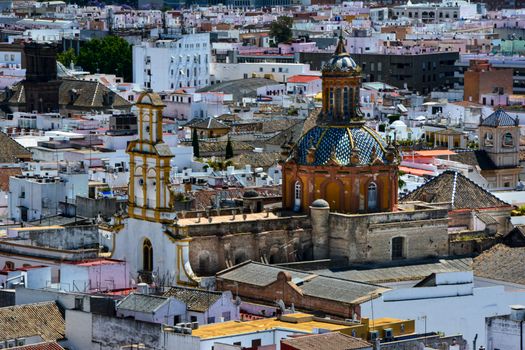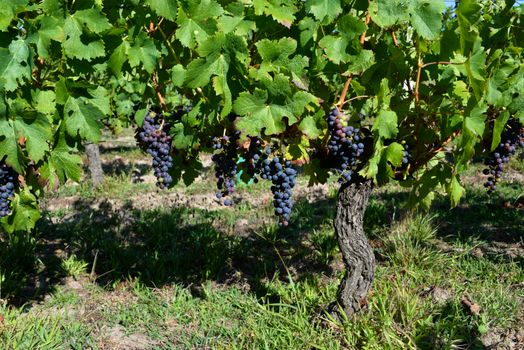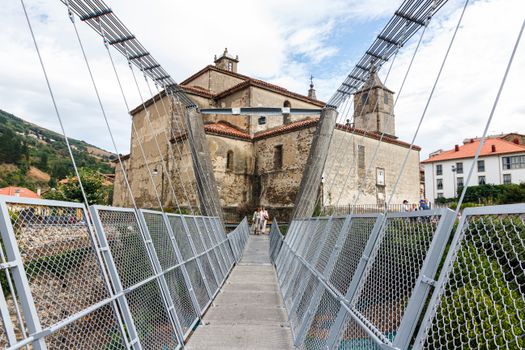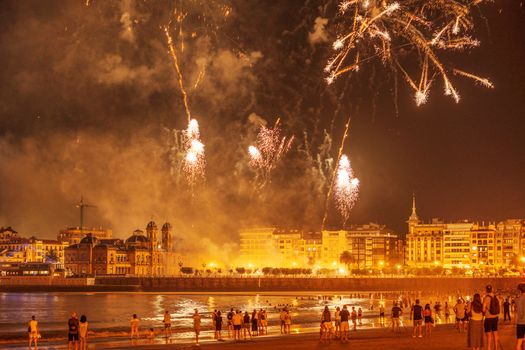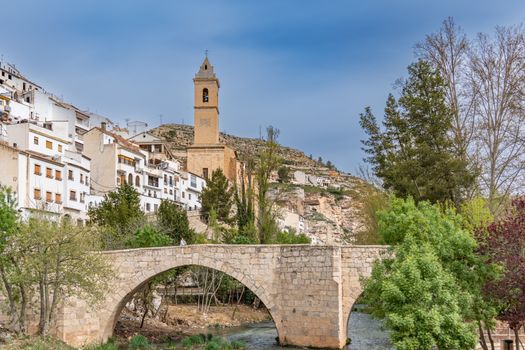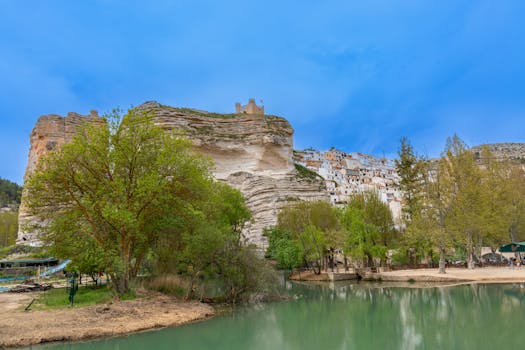
Canalejas del Arroyo is a picturesque village nestled in the province of Cuenca, in the region of Castilla-La Mancha, Spain. While today it is celebrated for its natural beauty, cultural festivals, and artisanal heritage, the town’s story stretches back centuries and is a fascinating journey through history. The evolution of Canalejas del Arroyo reflects the broader currents of Spanish rural life: from ancient settlements and medieval developments to modern transformations. Exploring the town’s remarkable past reveals how shifting tides in politics, economy, and culture have left their mark on this unique community.
Early Settlements: Foundations in Antiquity
The origins of Canalejas del Arroyo can be traced back to the pre-Roman period, with archaeological evidence suggesting that the area was inhabited as early as the 2nd millennium BCE. The region’s fertile land and proximity to water sources made it attractive for early settlers. Remnants of ancient tools and ceramics found in the surrounding hills testify to a continuous human presence.
During the Roman era, the province of Cuenca was strategically significant, lying along routes connecting the central plateau to the Mediterranean. While Canalejas del Arroyo itself was a small rural outpost, its location near larger Roman settlements like Segóbriga meant it likely benefited from increased trade and agricultural activity. Roman coins and pottery fragments unearthed near the village are tangible reminders of this distant past.
.png)
As the Western Roman Empire declined, Visigothic and later Moorish influences swept through the region. Though the village remained minor, its remote position shielded it from many conflicts, allowing its rural character to persist even as political powers shifted.
Medieval Growth: From Fortress to Farming Community
The Middle Ages marked a crucial period for the formation of Canalejas del Arroyo as a recognizable settlement. Following the Reconquista, Christian forces reclaimed the region from Moorish control in the 12th and 13th centuries. During this time, the Castilian crown encouraged the repopulation of the area, granting land to Christian settlers and establishing small fortified villages for defense.
Historical records from the 14th century mention Canalejas del Arroyo as a dependency of nearby feudal lords. The village’s name, derived from “canaleja” (small channel) and “arroyo” (stream), references its geographic features, which were vital for agriculture and livestock. The construction of a modest church and several stone houses marked the beginnings of a stable, self-sustaining community.
By the 15th century, Canalejas del Arroyo had become a center for grain cultivation and sheep herding, activities that would define its economy for generations. Population estimates suggest the village housed around 150-200 inhabitants at this time, a figure that remained relatively stable through the following centuries.
Economic and Demographic Evolution: The Early Modern Era
The 16th to 18th centuries brought gradual change to Canalejas del Arroyo. The town’s agricultural output increased, fueled by innovations such as improved irrigation and crop rotation. Local records show that wheat, barley, and olives became staple products, while sheep and goats provided wool and dairy. The town’s population grew modestly, reaching approximately 300 residents by the late 1700s.
This period also saw the establishment of communal traditions and religious festivities, many of which continue today. The construction of new civic buildings, including a town hall and a larger church, signaled growing prosperity and enhanced local governance.
However, the town was not immune to hardships. The Napoleonic Wars and subsequent political instability in the early 19th century brought economic setbacks. Population numbers stagnated, and emigration to larger cities like Cuenca and Madrid became more common. Despite these challenges, Canalejas del Arroyo maintained its rural identity, adapting to changing circumstances with resilience.
Modernization and Rural Decline: 19th and 20th Centuries
The 19th and 20th centuries were times of both progress and difficulty for Canalejas del Arroyo. Improved transportation infrastructure, including the construction of regional roads, linked the village more closely to provincial centers. This allowed local farmers to access broader markets and introduced new goods and ideas to the community.
Yet, modernization also brought new challenges. The Spanish Civil War (1936-1939) and the economic upheavals of the postwar period led to significant demographic changes. Like much of rural Spain, Canalejas del Arroyo experienced a steep population decline as young people migrated to cities in search of jobs. By 1960, census data recorded only 215 residents, down from nearly 400 at the turn of the century.
Despite these losses, the town adapted by diversifying its economy. Small-scale industry, such as cheese and sausage production, complemented traditional agriculture. The community also invested in education and infrastructure improvements, including electrification and the expansion of potable water services in the 1960s and 1970s.
To better illustrate these demographic trends, see the table below:
| Year | Population | Key Developments |
|---|---|---|
| 1500 | ~180 | Medieval village, subsistence farming |
| 1800 | ~300 | Growth in agriculture, new civic buildings |
| 1900 | ~390 | Transport links, rural prosperity |
| 1960 | 215 | Urban migration, rural decline |
| 2020 | 187 | Tourism, artisanal revival |
Contemporary Revival: Tourism and Cultural Heritage
In recent decades, Canalejas del Arroyo has witnessed a quiet renaissance. Recognizing the value of its historical and natural assets, the town has embraced rural tourism, drawing visitors with its scenic landscapes, traditional festivals, and artisanal products. According to the regional tourism board, visitor numbers have increased by 35% since 2010, injecting new life into the local economy.
Efforts to preserve architectural heritage have led to the restoration of key landmarks, such as the 16th-century church and old stone houses. Local initiatives promote traditional crafts, including ceramics and textile weaving, helping to sustain skills passed down through generations. The town’s population, though still modest, has stabilized, with a small influx of newcomers attracted by its tranquility and charm.
Cultural festivals, such as the annual Fiesta de San Bartolomé, showcase the town’s enduring traditions and foster community spirit. Educational programs and guided tours introduce visitors to the rich history of the area, highlighting everything from ancient archaeological sites to the evolution of rural life in Castilla-La Mancha.
The Lasting Legacy of Canalejas del Arroyo
The history of Canalejas del Arroyo is a testament to the resilience and adaptability of small rural communities in Spain. From its ancient origins to its modern revival, the town has navigated centuries of change while preserving a unique local identity. Key milestones—such as the medieval repopulation, agricultural expansion, rural decline, and recent resurgence—reflect both broader Spanish history and the particular challenges of life in the Cuenca highlands.
Today, Canalejas del Arroyo stands as a living archive of rural evolution. Its stone streets, historic architecture, and vibrant traditions offer a window into the past, even as the town looks to the future through sustainable tourism and cultural preservation. For visitors and residents alike, the story of Canalejas del Arroyo is a reminder of the enduring value of heritage, community, and adaptation in a changing world.