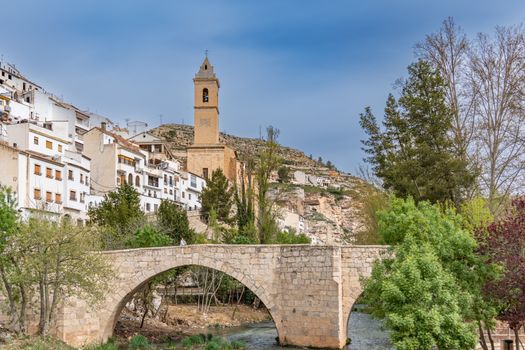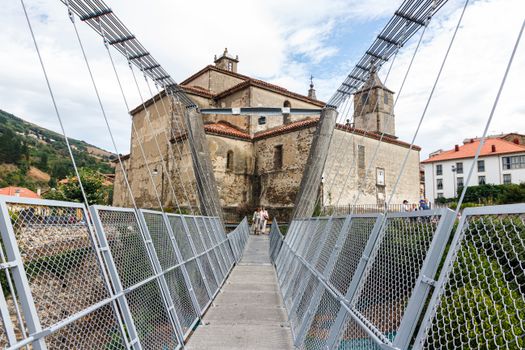
Canalejas del Arroyo, nestled in the heart of Spain’s Cuenca province, is more than just a scenic village or a picturesque travel destination. This humble community stands as a vibrant guardian of centuries-old customs, rituals, and unique local traditions that have been lovingly preserved and passed down through generations. For visitors and curious minds alike, delving into the traditional fabric of Canalejas del Arroyo offers a fascinating look at Spain’s rural heritage, communal spirit, and festive character. Whether you’re planning a visit or simply intrigued by regional Spanish culture, here are some captivating facts and insights into the customs that define the life and soul of this charming Castilian village.
The Living Heart of Canalejas del Arroyo: Patron Saint Festivities
One of the most significant traditions in Canalejas del Arroyo revolves around its annual patron saint festivities, known locally as "Fiestas Patronales." Every August, the village bursts into celebration to honor Saint Bartholomew (San Bartolomé), the town’s revered patron. This event is not just a religious ceremony; it is a lively social gathering that attracts both locals and former residents who return home for the occasion.
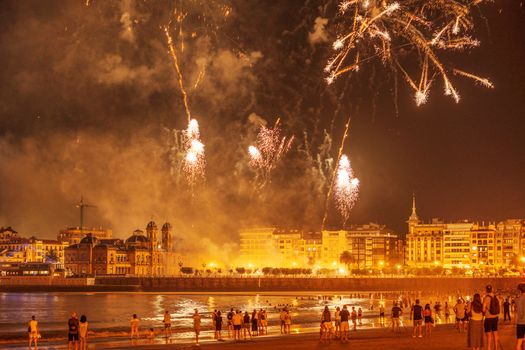
During these festivities, which typically last for about a week, the streets become vibrant with parades, traditional music, and folk dances. The "chupinazo"—a ceremonial rocket launch—marks the start of the celebrations, followed by processions where the saint’s image is carried through the village. Residents wear traditional Castilian attire, and the air is filled with the aroma of local delicacies prepared for the occasion.
.png)
A unique aspect of these fiestas is the "vaquilla," a traditional bull-running event, which, unlike the famous Pamplona version, is designed to be more symbolic and safer, often featuring young bulls or even mock bull costumes. The festivities also include communal meals, such as the popular "paella gigante," where hundreds gather in the main square to share a giant paella cooked over an open fire. In 2023, more than 800 people participated in the communal meal, highlighting the event’s importance in fostering community spirit.
Traditional Gastronomy: Savory Heritage on Every Plate
Canalejas del Arroyo’s culinary traditions are a testament to its agricultural roots and seasonal cycles. Local cuisine is not only about nourishment; it’s a celebration of shared history and identity. Among the most cherished dishes are "migas," a hearty meal made from leftover bread, garlic, olive oil, and often enriched with chorizo or bacon. This dish, historically linked to shepherds and farmers, is now a staple at local gatherings and festivals.
Another local specialty is "atascaburras," a winter dish made from mashed potatoes, cod, garlic, and walnuts, typically enjoyed during the colder months. This meal is often prepared communally, with each family bringing ingredients to contribute. The annual "Jornada Gastronómica," a local food festival held every February, showcases these traditional recipes and allows visitors to taste authentic flavors passed down through generations.
The importance of food in Canalejas del Arroyo’s customs also extends to olive oil production. The area boasts over 300 hectares of olive groves, with family-run presses producing high-quality extra virgin olive oil. Each November, the "Fiesta de la Aceituna" (Olive Festival) marks the beginning of the olive harvest, complete with tastings, folk music, and demonstrations of traditional oil extraction methods.
Cultural Rituals and Seasonal Customs
Beyond major festivals, Canalejas del Arroyo observes a variety of lesser-known, yet equally meaningful, customs tied to the agricultural calendar and local beliefs. One such tradition is the "San Antón" blessing in January, where villagers bring their animals to the church to receive a blessing for health and prosperity in the coming year. This ritual, rooted in medieval Christian practices, underscores the close relationship between the community and its livestock.
Another cherished custom is the "Mayos," celebrated at the end of April. Groups of villagers, known as "mayos," serenade the town’s young women with traditional songs under their windows, accompanied by guitars and bandurrias. This folk tradition, which dates back to the Middle Ages, is both a courtship ritual and a joyful expression of community unity.
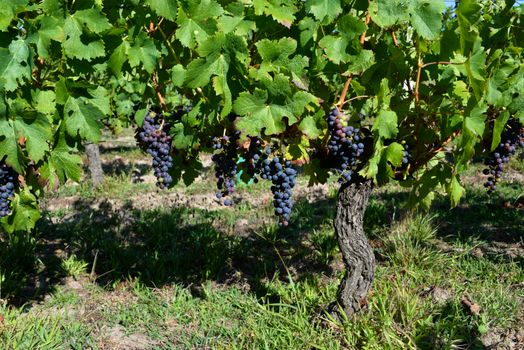
Seasonal customs also include the "Fiesta de la Vendimia" (Harvest Festival) in September, celebrating the grape harvest. Although the region’s wine production is modest compared to other Spanish areas, this event is an important nod to the land’s bounty, featuring grape stomping, tastings, and live performances.
Artisan Crafts and Symbolic Attire
Handicrafts and traditional dress play a vital role in the customs of Canalejas del Arroyo. Local artisans continue to practice age-old skills, such as embroidery, wood carving, and pottery—crafts that historically provided both utility and artistic expression. These handcrafted items often adorn homes or are used in religious processions and festivals.
Traditional attire, especially during fiestas, is a source of local pride. Women don colorful "trajes de manchega," featuring intricately embroidered shawls and aprons, while men often wear sashes and vests. These garments are not only beautiful but also carry symbolic meaning, representing the wearer’s family heritage and the village’s collective memory. The preservation of these costumes is ensured through workshops and cultural associations, which teach younger generations the art of traditional clothing and craft making.
Comparing Canalejas del Arroyo’s Customs to Neighboring Villages
While many Spanish villages have their own unique customs, Canalejas del Arroyo stands out for its strong emphasis on community participation and the preservation of ancient rituals. Here’s a comparative overview:
| Tradition | Canalejas del Arroyo | Neighboring Villages |
|---|---|---|
| Patron Saint Festivities | Week-long, includes communal meals, symbolic bull running, traditional attire | Often shorter, less emphasis on communal meals or bull events |
| Gastronomic Festivals | Annual food festival, olive harvest celebration | Some villages have food days, but olive and communal harvest events are rarer |
| Animal Blessing (San Antón) | Celebrated with church procession and animal blessing | Observed, but with smaller attendance or less formal procession |
| Folk Music and Mayos | Active serenade groups, strong youth participation | Tradition declining or only symbolic presence |
| Traditional Crafts | Regular workshops, active artisans | Some craft making, but often less organized preservation |
These distinctions highlight Canalejas del Arroyo’s reputation as a cultural stronghold, where traditions are not just remembered, but relived and renewed each year.
How Traditions Shape Community Life in Canalejas del Arroyo
The customs and rituals of Canalejas del Arroyo go beyond mere celebration—they are the glue that binds the community together. In a village with fewer than 400 permanent residents, these traditions reinforce social ties and a sense of belonging. For example, the organization of festivals is handled by neighborhood committees, with each family taking turns to lead preparations, ensuring that everyone has a stake in the event’s success.
Local schools and youth groups play a crucial role in transmitting these traditions. Children learn traditional songs, dances, and crafts as part of their education, while older residents serve as custodians of oral history and ritual practices. This intergenerational approach has helped preserve the village’s unique identity even as young people leave for cities and rural populations decline.
Moreover, many former residents return during festival times, swelling the population and reconnecting with their roots. In August 2022, the village’s population tripled during the patron saint festivities, with more than 1,200 people participating in events—a testament to the enduring pull of tradition.
Final Reflections: The Enduring Allure of Canalejas del Arroyo’s Traditions
In an era of rapid change and globalization, Canalejas del Arroyo’s commitment to its customs and rituals serves as a living link to the past and a beacon for the future. For visitors, these traditions offer not only a window into Spanish rural life but also an invitation to participate in a vibrant, authentic culture built on hospitality, cooperation, and shared memory.
Whether you witness the lively patron saint festivities, savor traditional dishes, or join in a folk serenade, you’ll quickly discover that the true charm of Canalejas del Arroyo lies in its people and the customs that unite them. For anyone seeking to experience the heart of Spain, this village’s traditions provide a unique and unforgettable journey.