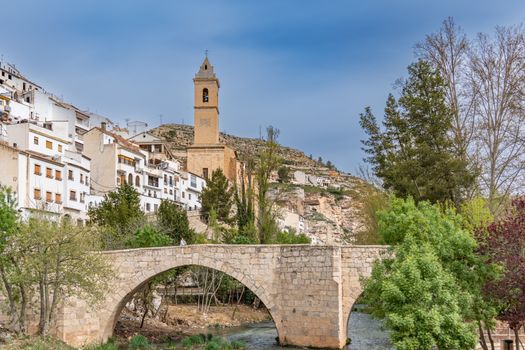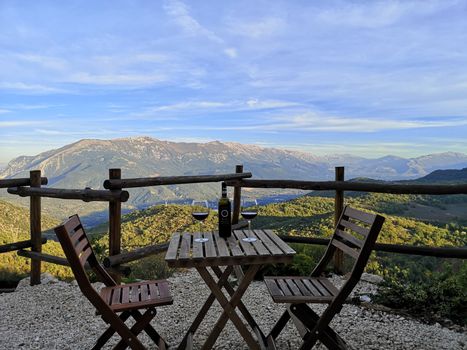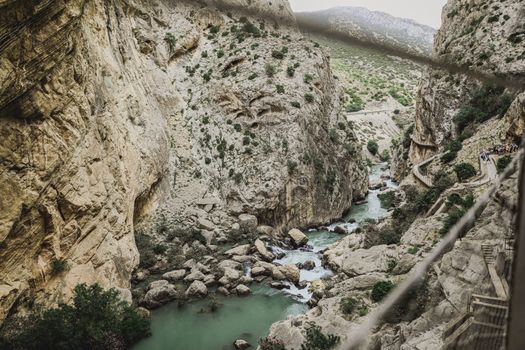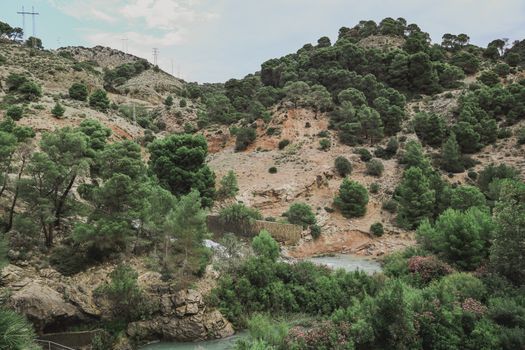
Nestled in the heart of the province of Cuenca, Canalejas del Arroyo is more than just a charming Spanish village—it is a gateway to some of central Spain’s most remarkable biodiversity and nature reserves. While the town itself is steeped in history and culture, its surrounding landscapes present a thriving ecosystem that captivates nature lovers, hikers, birdwatchers, and eco-tourists alike. Whether you are passionate about endemic flora and fauna, eager to explore protected habitats, or simply seeking a serene escape into the wild, the vicinity of Canalejas del Arroyo offers an impressive array of natural wonders. This guide will take you through the region’s standout nature reserves, unique species, conservation efforts, and practical advice for planning your visit.
The Rich Tapestry of Biodiversity Near Canalejas del Arroyo
The area surrounding Canalejas del Arroyo lies at the intersection of Mediterranean woodlands, river valleys, and limestone escarpments. This unique geography has fostered a rich tapestry of biodiversity. According to the Spanish Ministry for the Ecological Transition, the province of Cuenca is home to over 1,300 species of vascular plants and 260 species of vertebrates, making it one of the most ecologically diverse provinces in Castilla-La Mancha.
Some of the region’s most notable habitats include oak and pine forests, riparian zones along the Júcar and Escabas rivers, and dramatic karst landscapes dotted with caves and gorges. These varied environments provide refuge for rare orchids, butterflies, raptors, bats, and even the elusive Iberian ibex. The importance of this biodiversity is underscored by the presence of several protected areas within an hour’s drive of Canalejas del Arroyo.
.png)
Must-Visit Nature Reserves and Protected Areas
Several nature reserves and parks near Canalejas del Arroyo offer visitors the chance to experience the region’s wildlife and natural beauty firsthand. Here are some of the most significant areas to explore:
1. Parque Natural de la Serranía de Cuenca This vast natural park, spanning over 73,000 hectares, is about 40 km northeast of Canalejas del Arroyo. Serranía de Cuenca is famed for its spectacular geology—such as the Ciudad Encantada (Enchanted City), a labyrinth of surreal limestone formations—and its pristine forests. The park is home to species like the golden eagle, Eurasian eagle-owl, roe deer, and wild boar. 2. Reserva Natural de las Hoces del Cabriel Located approximately 60 km southeast, this reserve encompasses the dramatic gorges carved by the Cabriel River. Its rugged cliffs and riparian woodlands are crucial habitats for griffon vultures, otters, and a rich diversity of aquatic plants. The Hoces del Cabriel also offer some of the best hiking, kayaking, and wildlife-spotting opportunities in the region. 3. Monumento Natural de las Torcas de Palancares y Tierra Muerta Just 35 km from Canalejas del Arroyo, this area is famous for its sinkholes (“torcas”) created by the dissolution of the region’s limestone bedrock. The unique microhabitats within each sinkhole support rare ferns, mosses, and specialized insects. 4. Laguna de Uña This tranquil lagoon, set within the Serranía de Cuenca Natural Park, is a haven for birdlife. Over 120 species of birds have been recorded here, including purple herons, black storks, and marsh harriers. The area around the lagoon is equipped with birdwatching hides and interpretive trails.Signature Flora and Fauna: What Makes the Region Special
The biodiversity near Canalejas del Arroyo is remarkable for both its variety and its rarity. The Mediterranean forests are dominated by holm oak and Aleppo pine, interspersed with strawberry trees, junipers, and rockrose. In spring, meadows burst into color with wildflowers such as the endemic Linaria clementei and several species of wild orchids.
Among the region’s fauna, birds of prey stand out. The cliffs and forests provide nesting grounds for the short-toed snake eagle, booted eagle, and the increasingly rare Bonelli’s eagle. Mammals include the European wildcat, red fox, and in remote rocky areas, the Spanish ibex. Bats are particularly abundant, with 12 different species recorded in Cuenca’s caves and forests.
Amphibians and reptiles are also well represented, including the Iberian frog and the ocellated lizard, one of Europe’s largest. Rivers and wetlands support otters and a variety of fish species, such as the endemic Iberian barbel.
Conservation Initiatives and Sustainable Tourism
Recognizing the ecological value of the region, Spanish authorities and local organizations have implemented a range of conservation initiatives. Over 20% of Cuenca’s territory is included in the Natura 2000 network, the EU’s flagship system of protected areas. This ensures the preservation of habitats vital to endangered species and the maintenance of ecological corridors.
Local NGOs, such as Ecologistas en Acción Cuenca, work in partnership with public agencies to monitor wildlife populations, restore degraded habitats, and promote responsible tourism. For example, the “Life Bonelli” project has been instrumental in stabilizing and increasing local populations of Bonelli’s eagle through habitat management and anti-poaching efforts.
Sustainable tourism is encouraged through well-marked trails, educational signage, and visitor centers that offer interpretive programs. In 2023, the Serranía de Cuenca Natural Park received over 180,000 visitors, with 92% reporting satisfaction with the park’s commitment to conservation and educational outreach, according to the Castilla-La Mancha Tourism Board.
Planning Your Visit: Best Routes and Activities
Whether you are an avid hiker, a family on holiday, or a keen photographer, the nature reserves near Canalejas del Arroyo cater to a wide range of interests and fitness levels. Here are some recommended activities and tips for making the most of your visit:
- Hiking and Walking: Popular trails include the Sendero de la Ciudad Encantada (a 3 km interpretive loop), the Ruta de las Caras near Buendía (where art and nature merge), and the longer Senda de los Miradores in Serranía de Cuenca, offering panoramic views and chances to spot wildlife. - Birdwatching: Bring binoculars to the Laguna de Uña or the Hoces del Cabriel. Early mornings and late afternoons are the best times for observing raptors and waterbirds. - Kayaking and Canoeing: The rivers Júcar and Cabriel offer clear waters and gentle rapids suitable for beginners and families. Several local operators provide equipment rental and guided tours. - Caving and Geology Tours: For those interested in geology, guided tours of the Torcas de Palancares or exploring the caves of the Serranía are both educational and adventurous. - Eco-Tourism Lodges: Numerous rural accommodations near the nature reserves offer eco-friendly lodging, local cuisine, and guided nature experiences. Many participate in regional sustainability certification programs.Comparing Top Nature Reserves Near Canalejas del Arroyo
To help you choose the best destination for your interests, here is a comparative overview of the main nature reserves in the area:
| Nature Reserve | Distance from Canalejas del Arroyo (km) | Main Features | Key Species | Recommended Activities |
|---|---|---|---|---|
| Serranía de Cuenca Natural Park | 40 | Limestone formations, forests, rivers | Golden eagle, roe deer, orchids | Hiking, photography, wildlife watching |
| Hoces del Cabriel Reserve | 60 | River gorges, riparian habitat | Griffon vulture, otter, wildflowers | Hiking, kayaking, birdwatching |
| Torcas de Palancares y Tierra Muerta | 35 | Karst sinkholes, unique flora | Rare ferns, bats, butterflies | Geology tours, hiking |
| Laguna de Uña | 47 | Freshwater lagoon, wetlands | Purple heron, black stork, amphibians | Birdwatching, walking, photography |
Why Biodiversity and Nature Reserves Near Canalejas del Arroyo Matter
The nature reserves surrounding Canalejas del Arroyo are much more than scenic landscapes—they are living laboratories where nature thrives and adapts. Their preservation ensures the survival of rare species, the maintenance of clean water and air, and the opportunity for people to reconnect with the natural world. As global biodiversity faces unprecedented threats, places like the Serranía de Cuenca and Hoces del Cabriel serve as vital strongholds for conservation and education.
For visitors, these protected areas offer a chance to experience the richness of Spain’s interior, learn about sustainable land management, and contribute to ongoing conservation efforts through responsible tourism. Whether you’re drawn by the chance to glimpse a soaring eagle, wander through ancient forests, or simply enjoy the tranquility of a hidden lagoon, the biodiversity and nature reserves near Canalejas del Arroyo promise a rewarding and memorable adventure.