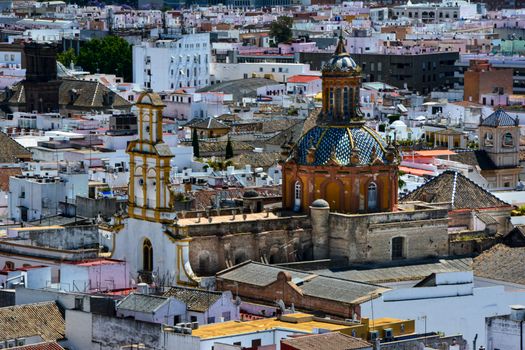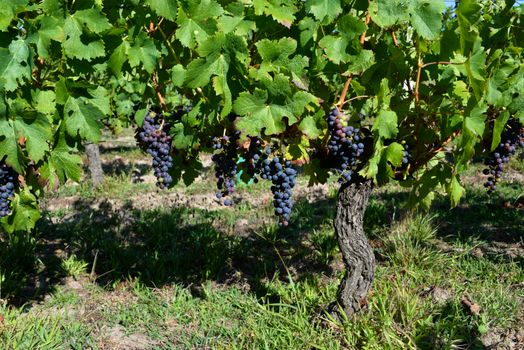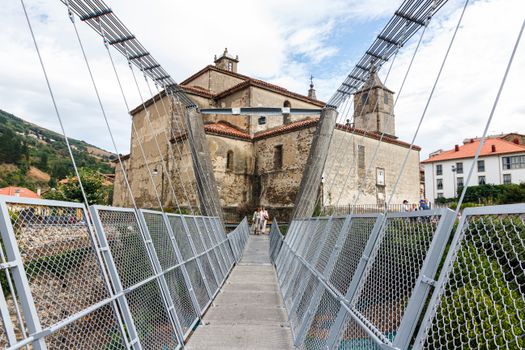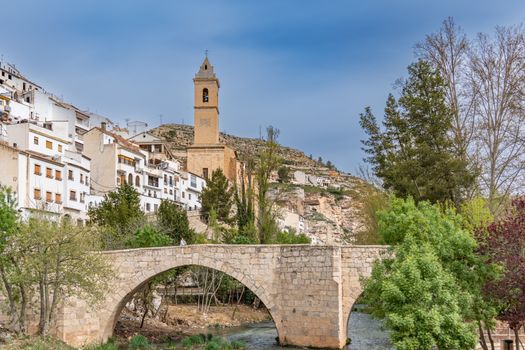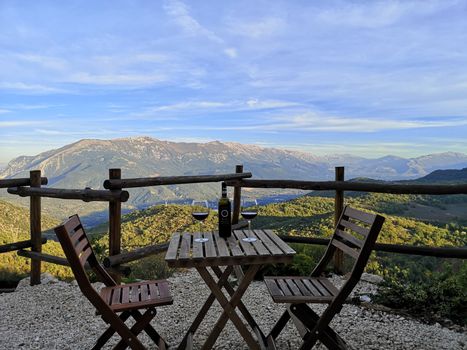
Canalejas del Arroyo is a picturesque village nestled in the province of Cuenca, Spain, known for its serene landscapes and rich heritage. Yet, beyond its charming streets and historical landmarks lies a vibrant wine culture that has quietly flourished for centuries. The wine culture of Canalejas del Arroyo is a fascinating blend of tradition, innovation, and community pride, rooted in the region’s sun-drenched vineyards and family-run wineries. This article delves into the unique viticultural heritage of Canalejas del Arroyo, exploring its vineyards, winemaking practices, local varietals, and the emerging reputation of its wines on the national and international stage.
The Historical Roots of Wine in Canalejas del Arroyo
The origins of viticulture in Canalejas del Arroyo can be traced back to the Roman era, when settlers first recognized the region’s fertile soil and favorable climate for grape cultivation. Archaeological finds indicate that wine production was already established in the area by the 2nd century AD. Over the centuries, the traditions of grape growing and winemaking were passed down through generations, surviving the challenges of war, disease, and economic shifts.
The late 19th century marked a significant turning point for the village. After the devastating phylloxera outbreak that swept through Europe, local growers adapted by introducing resistant rootstocks and experimenting with new grape varieties. By the mid-20th century, Canalejas del Arroyo’s vineyards had become a symbol of resilience and innovation in the face of adversity. Today, the village boasts more than 250 hectares of vineyards, a remarkable figure given its modest population of under 350 residents.
.png)
Geography and Climate: The Terroir of Canalejas del Arroyo
The quality and character of wine are inextricably linked to the land—a concept known as “terroir.” Canalejas del Arroyo enjoys a unique microclimate, shaped by its elevation of 850 meters above sea level and its location at the convergence of Mediterranean and continental weather systems. This results in warm, dry summers with cool nights, and mild winters, providing ideal conditions for slow grape ripening and the development of complex flavors.
Soils in the region are predominantly limestone with patches of clay and sand, offering excellent drainage while retaining vital minerals. This composition not only enhances vine health but also imparts a distinctive mineral note to the wines. The combination of altitude, soil, and diurnal temperature variation is particularly well-suited to native varietals such as Tempranillo and Bobal, as well as international grapes like Syrah and Cabernet Sauvignon.
Vineyard Practices: Tradition Meets Modernity
While the wine culture of Canalejas del Arroyo is steeped in tradition, local growers have embraced modern techniques to improve quality and sustainability. Many vineyards employ organic and integrated pest management practices, minimizing the use of chemicals and promoting biodiversity among the vines. Cover crops, such as legumes and wildflowers, are commonly planted between rows to prevent soil erosion and support beneficial insects.
Harvesting is still done largely by hand, ensuring that only the ripest clusters are selected. This labor-intensive process supports local employment and maintains a close connection between the vineyards and the community. In recent years, some estates have invested in drip irrigation systems, which help conserve water—a precious resource in the region’s semi-arid climate.
A notable example is Bodega Arroyo Real, one of the village’s leading wineries, which has reduced its water usage by 30% since 2019 through advanced irrigation and soil monitoring technologies. This commitment to sustainability is echoed across the region, as producers work together to preserve the land for future generations.
Wineries of Canalejas del Arroyo: Profiles and Innovations
Despite its small size, Canalejas del Arroyo is home to a handful of wineries that have garnered attention for their quality and character. Most are family-owned, with deep roots in the local community. These wineries range from rustic, centuries-old cellars to modern facilities equipped with state-of-the-art technology.
Bodega Arroyo Real, founded in 1975, is the area’s largest producer, crafting nearly 80,000 bottles annually from its 45 hectares of vineyards. The winery is renowned for its expressive Tempranillo and complex blends, which have received accolades in regional competitions.
Viñas de la Cuesta, established in 1992, is celebrated for its organic wines and innovative use of native yeasts. Their Bobal-based rosé won a gold medal at the 2022 Concurso Nacional de Vinos Jóvenes, highlighting the growing prestige of Canalejas del Arroyo’s wines.
Smaller producers, such as Familia Ortega and Viñedos del Arroyo, focus on limited-production, terroir-driven wines that reflect the nuances of each vintage. These boutique wineries often welcome visitors for tastings and tours, offering a personal glimpse into the artisanal side of the village’s wine culture.
To better understand the landscape of local wineries, see the comparison table below:
| Winery | Founded | Annual Production (Bottles) | Signature Grape | Notable Award |
|---|---|---|---|---|
| Bodega Arroyo Real | 1975 | 80,000 | Tempranillo | Silver, Concurso de Vinos de Cuenca 2021 |
| Viñas de la Cuesta | 1992 | 35,000 | Bobal | Gold, Concurso Nacional de Vinos Jóvenes 2022 |
| Familia Ortega | 1988 | 12,000 | Syrah | Bronze, Premios VinEspaña 2023 |
| Viñedos del Arroyo | 2001 | 8,500 | Cabernet Sauvignon | Honorable Mention, Feria del Vino de Castilla-La Mancha 2022 |
Signature Varietals and Unique Wine Styles
The vineyards of Canalejas del Arroyo are dominated by classic Spanish varietals, but local winemakers have also experimented with international grapes, resulting in a diverse palette of flavors and styles.
Tempranillo, often called “the noble grape of Spain,” is the cornerstone of red wine production. In Canalejas del Arroyo, Tempranillo-based reds are known for their deep color, rich berry flavors, and balanced acidity. Bobal, another indigenous grape, produces vibrant rosés and light-bodied reds with notes of cherry and wild herbs.
Syrah and Cabernet Sauvignon, introduced in the late 20th century, thrive in the area’s well-drained soils and warm climate. These varieties contribute structure, spice, and complexity to local blends, which are increasingly sought after by collectors and connoisseurs.
White wine production is smaller but growing, with Airén and Macabeo as the leading varietals. These whites offer crisp acidity, floral aromas, and subtle mineral undertones, making them ideal companions for the region’s traditional cuisine.
One of the most interesting trends in Canalejas del Arroyo is the revival of ancestral winemaking techniques, such as fermenting in clay amphorae and minimal intervention in the cellar. This approach emphasizes authenticity and allows the true character of the terroir to shine through in each bottle.
Wine Tourism: Experiencing Canalejas del Arroyo’s Vineyards Firsthand
Wine tourism is becoming an increasingly important part of Canalejas del Arroyo’s economy and cultural identity. Visitors are drawn not only by the quality of the wines, but also by the immersive experiences offered by local wineries and the breathtaking scenery that surrounds the village.
Guided vineyard walks, harvest festivals, and hands-on workshops provide opportunities to learn about every stage of the winemaking process, from vine to bottle. Many wineries offer tastings paired with regional specialties such as Manchego cheese, game meats, and artisanal breads. These events foster a sense of community and celebrate the deep connection between the people, the land, and the wine.
In 2023, Canalejas del Arroyo hosted its inaugural Wine & Culture Festival, attracting over 800 visitors and showcasing more than 30 locally produced wines. The success of this event highlights the growing recognition of the village as a destination for oenophiles and curious travelers alike.
Preserving Heritage and Looking to the Future
The wine culture of Canalejas del Arroyo is more than an economic pursuit—it is a living tradition that shapes the village’s landscape, cuisine, and community spirit. Through careful stewardship of the land and a renewed commitment to sustainability, local growers and winemakers are ensuring that this legacy endures for generations to come.
As climate change presents new challenges, innovation remains key. Research into drought-resistant grape varieties, investment in renewable energy, and collaboration with regional universities are just some of the initiatives underway. At the same time, the community continues to celebrate its unique heritage through festivals, educational programs, and storytelling, ensuring that the passion for wine remains at the heart of village life.