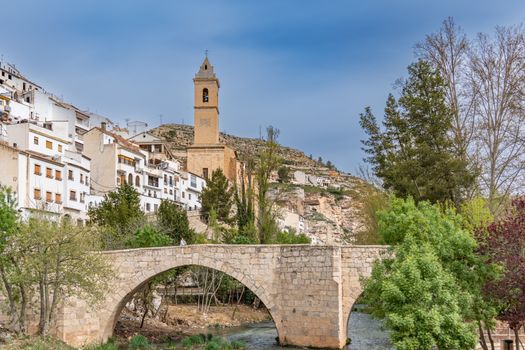
Canalejas del Arroyo, a charming village nestled in the heart of Spain’s Castilla-La Mancha region, is more than just a visual delight of rural architecture and scenic landscapes. Beneath its picturesque surface lies a vibrant tapestry of local customs and traditions that have shaped the community’s identity for centuries. For travelers seeking an authentic connection to Spanish heritage, understanding these customs is key to fully appreciating Canalejas del Arroyo’s unique spirit. This guide explores the festivals, rituals, culinary traditions, and social practices that define this enchanting village, offering visitors insights and practical tips for meaningful engagement.
The Heartbeat of the Village: Annual Festivals and Celebrations
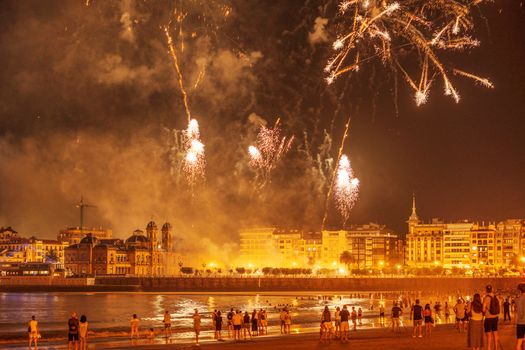
Festivals are the lifeblood of Canalejas del Arroyo, blending religious devotion, historical memory, and community togetherness. The most notable annual event is the Fiesta de San Bartolomé, held in August. This celebration, honoring the village’s patron saint, transforms the village into a kaleidoscope of color, sound, and communal joy.
During the Fiesta de San Bartolomé, the entire village participates in processions, traditional dances known as jotas, and late-night open-air concerts. The event typically draws over 1,000 participants—a remarkable number considering the village’s population hovers around 350 residents. Streets are adorned with hand-crafted banners and floral displays, while local women don traditional Manchegan dresses.
.png)
Another significant celebration is Semana Santa (Holy Week), when solemn processions wind through the village’s narrow streets. Residents, often dressed in traditional robes and hoods, carry religious icons and candles, creating a moving spectacle that draws both locals and visitors into the spiritual heart of the community.
The table below compares the two major annual festivals:
| Festival | Date | Main Activities | Local Participation | Visitor Experience |
|---|---|---|---|---|
| Fiesta de San Bartolomé | August 24 | Processions, jota dancing, music, communal meals | Very high (whole village involved) | Open to all, lively and interactive |
| Semana Santa | Late March - Early April | Solemn processions, religious rituals, candlelit vigils | High (strong family participation) | Respectful observation encouraged |
Visitors are warmly welcomed at these events but are expected to respect local customs, including dress codes (modest attire for religious events) and participation etiquette (joining in dances or meals when invited).
Culinary Traditions: More Than Just Flavor
The food of Canalejas del Arroyo is a direct reflection of its agricultural roots and communal values. Local cuisine is hearty, seasonal, and deeply tied to family and festivity. Signature dishes include morteruelo, a rich game meat pâté, and gachas, a savory porridge made from flour, garlic, and pork, typically prepared during colder months.
Food is central to every celebration. During fiestas, families unite to prepare large communal meals, often using recipes handed down for generations. For example, during the matanza (annual pig slaughter), neighbors gather to produce chorizo, morcilla, and other cured meats for the coming year. This event is as much about social bonding as it is about food production.
A distinctive feature is the merienda—a late-afternoon snack that’s more social ritual than meal. It’s common for villagers to invite visitors to share homemade pastries like bizcochos or rosquillas, accompanied by locally produced wine or anisette liqueur.
Notably, Canalejas del Arroyo hosts a small but lively olive oil festival in November, celebrating the first pressing of the season’s olives. Here, visitors can sample fresh extra virgin olive oil—an integral part of both daily meals and festive feasts.
Rituals of Daily Life: Hospitality, Gatherings, and Social Codes
Life in Canalejas del Arroyo is governed by a set of unwritten social codes that prioritize hospitality, respect for elders, and strong community bonds. Greeting etiquette is essential: newcomers should always exchange a warm “buenos días” or “buenas tardes” when entering shops or passing locals in the street. A handshake or a double-cheek kiss is customary when meeting someone for the first time or among friends.
Village life is rhythmically punctuated by daily gatherings at the plaza mayor (main square). In the late afternoon, residents congregate to chat, play cards, or simply enjoy the day’s end. For visitors, joining these gatherings—even as a quiet observer—is an excellent way to immerse themselves in local culture.
Respect for elders is another cornerstone of village life. During communal events, it’s traditional for the eldest members of the community to be served food and drink first. Visitors can show respect by waiting their turn and engaging politely with older residents, many of whom are eager to share stories about village history and customs.
Handicrafts and Traditional Attire: Living Heritage
Artisan traditions remain alive in Canalejas del Arroyo, with crafts such as embroidery, weaving, and pottery practiced by local families. These crafts are particularly visible during festivals, when homes are decorated with hand-embroidered banners, and women wear intricately detailed Manchegan dresses complete with lace shawls and beaded necklaces.
Pottery from the region features unique geometric motifs, echoing ancient Iberian influences. Local artisans often invite visitors to their workshops, offering insights into the techniques passed down through generations.
Traditional attire is more than decorative; it’s a point of pride and identity. During fiestas, elders recount the stories behind each garment, from the symbolism of the sash colors to the family histories embedded in embroidered patterns. Purchasing a locally made craft or garment is more than a souvenir—it’s a way to support living heritage and form a direct connection with the community.
Seasonal Customs and Agricultural Rhythms
The calendar of Canalejas del Arroyo is closely tied to the land. Seasonal customs revolve around sowing and harvest times, and the community still observes age-old practices linked to agricultural cycles.
In spring, families organize romerías, or countryside pilgrimages, to bless the fields and pray for a bountiful harvest. These pilgrimages often conclude with picnics and singing in the hills surrounding the village. Notably, more than 70% of village families participate in at least one romería each year, emphasizing the strong bond between community and landscape.
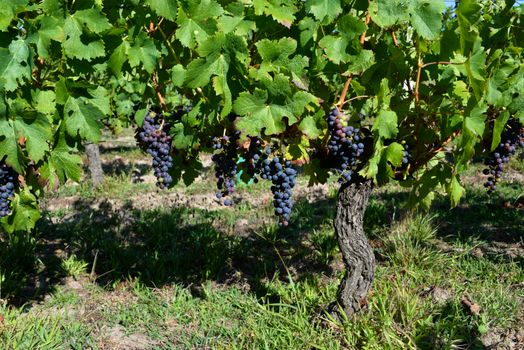
Autumn brings the grape harvest, or vendimia, another highlight of the village year. Here, neighbors join forces to pick grapes, followed by communal grape-stomping and wine tasting—a festive echo of traditions dating back to Roman times. Visitors may be invited to join in these activities, provided they show respect for the hard work and camaraderie that underpin them.
How Visitors Can Participate Respectfully in Canalejas del Arroyo Traditions
For visitors, experiencing local customs in Canalejas del Arroyo is as much about attitude as activity. Here are some key tips for meaningful participation:
- Observe first, participate second: Take time to watch how locals behave during festivals, meals, or gatherings before joining in. - Dress appropriately: Modest, neat attire is appreciated, especially during religious events or when visiting private homes. - Learn a few phrases: Even basic Spanish greetings and expressions of thanks (like “gracias” or “encantado/a”) go a long way. - Ask before photographing: Many locals are proud of their traditions, but always ask permission before taking photos, especially during private or religious moments. - Support local artisans: Purchasing crafts or food products directly from local producers helps sustain traditional skills and community life.By approaching village life with curiosity, respect, and an open mind, travelers can forge genuine connections and take home memories that transcend standard sightseeing.
Final Reflections: The Enduring Value of Tradition in Canalejas del Arroyo
Canalejas del Arroyo is a living museum of Spanish rural customs, where time-honored traditions continue to shape daily life and community identity. For visitors, immersing oneself in the local rhythms—whether through festive celebrations, shared meals, or quiet moments in the plaza—offers a rare window into the enduring values of hospitality, respect, and communal joy.
By understanding and honoring these customs, travelers not only enrich their own journey but also help sustain the cultural heritage of this remarkable village for generations to come.